Inner Ear vs Outer Ear: Discover the Key Differences

In-Depth Exploration of the Inner Ear’s Anatomy and Functionality

Understanding the Structure and Critical Function of the Cochlea
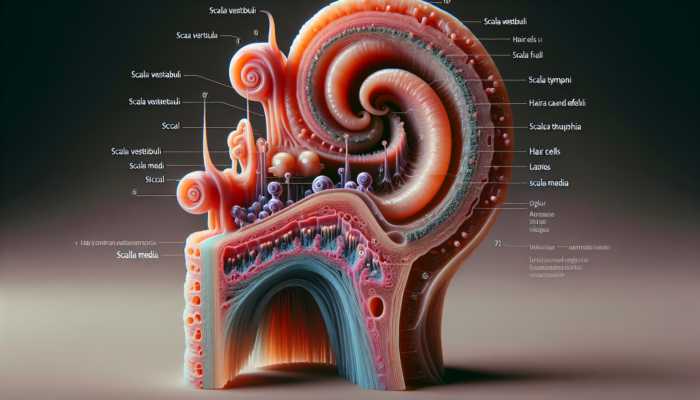
Cross-section of cochlea showing spiral structure, three chambers, and hair cells converting sound to electrical signals.

The cochlea is an extraordinary spiral-shaped organ located within the inner ear that plays an indispensable role in our ability to perceive sound. This complex structure is responsible for converting sound vibrations into electrical signals, which are subsequently transmitted to the brain for interpretation. This conversion process is essential for experiencing and appreciating the diverse nuances of sound. The cochlea comprises three main chambers: the scala vestibuli, scala tympani, and scala media, each filled with fluid and lined with specialised hair cells that respond to sound waves. As sound waves enter the cochlea, they generate pressure waves that travel through these fluids, bending the hair cells and creating electrical impulses sent to the auditory nerve for further processing.

A thorough understanding of cochlear anatomy not only underscores its crucial functions but also highlights its susceptibility to damage. The delicate hair cells within the cochlea may be harmed by various factors, such as aging, prolonged exposure to loud noises, and certain medical conditions, which can lead to hearing loss. Research indicates that exposure to noise levels exceeding 85 decibels can result in noise-induced hearing loss, a prevalent risk across various settings worldwide, from concerts to bustling city streets. Consequently, raising awareness about safe listening practices is vital for preserving cochlear health, thus allowing individuals globally to relish the rich soundscapes that life has to offer.

Examining the Vestibular System’s Key Role in Balance Maintenance

The vestibular system, strategically positioned within the inner ear, is essential for sustaining balance and spatial orientation. This intricate system comprises complex structures, primarily the semicircular canals and otolith organs, which work together to detect head movements and shifts in body position. The semicircular canals are specifically designed for sensing angular motion, while the otolith organs are adept at identifying linear movements and the influence of gravity. The critical information provided by these structures is vital for daily activities, encompassing everything from walking and running to more complex movements like dancing or participating in sports.

The global significance of the vestibular system is apparent in various scenarios. For instance, athletes engaged in sports such as gymnastics or figure skating rely heavily on their vestibular sense to maintain balance and execute precise movements. Similarly, individuals residing in diverse terrains, such as mountainous regions, must navigate challenging landscapes, making a well-functioning vestibular system essential for safety and mobility. Disorders affecting this system can lead to symptoms like dizziness or imbalance, profoundly impacting an individual’s quality of life and everyday activities.

Investigating the Auditory Nerve’s Essential Role in Sound Transmission

The auditory nerve serves as a vital conduit for sound information, transferring electrical signals from the cochlea to the brain, where these signals are decoded as sound. This nerve represents a fundamental component of the central nervous system, facilitating the complex experience of hearing. The seamless connection between the cochlea and the auditory cortex ensures that even the most intricate auditory experiences—ranging from a symphony to the gentle rustling of leaves or the voice of a cherished friend—are perceived with clarity and precision.

However, various conditions affecting the auditory nerve can lead to significant challenges, including hearing loss and auditory processing disorders. Individuals across the globe face numerous risks to their auditory health, from exposure to industrial noise in urban settings to untreated ear infections in rural communities. Recent advancements in medical technology, such as the emergence of cochlear implants, offer groundbreaking solutions for individuals suffering from severe hearing impairments, enabling them to reconnect with the auditory world in transformative ways that were previously deemed impossible.

Comprehensive Review of the Outer Ear’s Anatomy
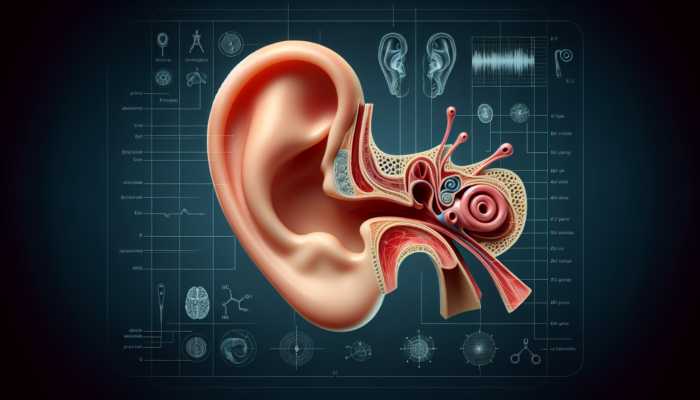
Detailed anatomical illustration of the outer ear, highlighting key structures like the pinna and ear canal.

Investigating the Pinna’s Vital Role in Sound Capture

The pinna, also known as the auricle, represents the outermost section of the ear, fulfilling a crucial function in capturing sound waves from the surrounding environment. Its unique shape acts as a funnel, directing sound waves into the ear canal. The pinna’s distinctive contours and folds not only facilitate effective sound collection but also enhance our ability to discern the direction of sounds, a key component of auditory perception.

Globally, the anatomical design of the pinna displays variations among different populations, shaped by evolutionary and environmental influences. For example, individuals inhabiting densely wooded areas may exhibit slightly different ear shapes compared to those from open plains. These adaptations illustrate the intricate relationship between anatomical features and environmental factors, underscoring the significance of understanding such variations within fields like anthropology and audiology. Furthermore, congenital ear deformities can greatly affect sound collection and localization, highlighting the necessity for tailored auditory solutions on a worldwide scale.

Examining the Structure and Functionality of the Ear Canal

The ear canal is a tubular structure extending from the pinna to the eardrum, playing a pivotal role in sound transmission. This passage not only channels sound waves but also amplifies them prior to reaching the eardrum, consequently enhancing auditory perception. The unique shape and length of the ear canal are specifically designed to optimise sound amplification, ensuring that even the faintest sounds are effectively detected.

An intriguing aspect of the ear canal’s structure is its protective function. The canal is lined with skin that produces cerumen, commonly referred to as earwax, which serves multiple purposes: trapping dust, debris, and microorganisms while providing a barrier against infections. Worldwide, earwax impaction is a prevalent issue, with individuals from diverse backgrounds experiencing discomfort and temporary hearing loss as a result. Awareness campaigns that promote ear health and proper cleaning techniques can help alleviate these issues, ensuring the ear canal remains an effective pathway for sound transmission.

Highlighting the Critical Function of the Eardrum in Sound Transmission
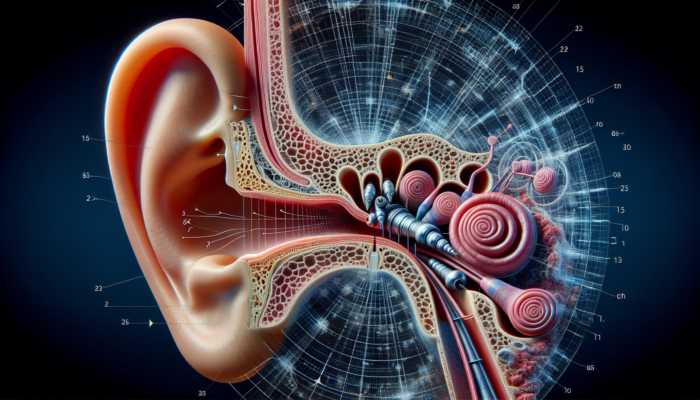
Cross-section of human ear showing eardrum vibration and sound transmission to middle ear.

The eardrum, known as the tympanic membrane, is a thin yet robust structure that vibrates in response to sound waves. This vibration is essential as it converts acoustic energy into mechanical energy, which is subsequently transmitted to the middle ear. The eardrum’s sensitivity is extraordinary, with the ability to respond to a wide range of frequencies, enabling us to perceive sounds that range from a mere whisper to the powerful crescendo of a concert.

Globally, maintaining the health of the eardrum is crucial; various factors such as exposure to loud sounds, ear infections, and physical traumas can compromise its integrity. For instance, barotrauma, which occurs due to sudden pressure changes during air travel, can lead to perforation of the eardrum, resulting in pain and hearing loss. Awareness and preventive measures, such as using earplugs during flights or swimming, are essential for safeguarding this vital component of hearing. The eardrum’s role in sound transmission is critical, serving as the gateway to the middle ear and beyond.

Exploring the Intricate Anatomy of the Pinna

The anatomy of the pinna is complex, primarily composed of cartilage enveloped by skin. Its distinctive shape, characterised by various folds and depressions, significantly aids in sound localisation and collection. These anatomical features enhance our ability to differentiate between sounds originating from different directions, a crucial skill for survival and interaction within our environment.

This anatomical diversity becomes particularly fascinating when examining populations worldwide. Certain cultures may have developed unique modifications to the pinna for aesthetic reasons or to enhance auditory capabilities in specific contexts. Additionally, congenital deformities of the pinna can influence sound perception, fostering a greater understanding of how ear anatomy correlates with hearing ability. This knowledge is invaluable for creating effective interventions for auditory impairments, ensuring that individuals can fully engage with their auditory environments.

Examining the Protective Features of the Ear Canal

The design of the ear canal serves not only to transmit sound but also to provide a protective barrier against foreign objects and debris. The skin lining the ear canal produces earwax, acting as a natural defence mechanism. This substance traps dust, foreign particles, and microorganisms, preventing them from reaching the eardrum and significantly reducing the likelihood of infections. Additionally, earwax helps to keep the skin of the ear canal moisturised, preventing dryness and irritation.

Globally, earwax impaction is a common issue affecting many individuals. Excessive wax buildup can lead to discomfort, reduced hearing, and even tinnitus. Education on ear hygiene practices, such as avoiding cotton swabs that can push wax deeper into the canal, is crucial. Furthermore, understanding cultural practices related to ear care can inform health interventions. Recognising the balance between natural ear protection and the necessity for hygiene is vital for maintaining auditory health across the globe.

Key Functions of the Inner Ear

How the Hearing Mechanism Effectively Converts Sound Waves

The primary function of the inner ear revolves around the sophisticated hearing mechanism that converts mechanical sound waves into electrical signals. This process begins when sound waves enter the cochlea, inducing fluid movements. These movements are critical for bending the hair cells situated along the basilar membrane within the cochlea. As these hair cells bend, they generate electrical impulses that travel through the auditory nerve to the brain, where they are decoded as distinct sounds.

The efficiency of this hearing mechanism is paramount for effective communication and interaction across various settings, whether enjoying music in a concert hall or engaging in conversation within a vibrant café. Variations in hearing ability among individuals can stem from genetic factors, exposure to environmental noise, or lifestyle choices, each influencing how sound is perceived. Globally, many individuals experience hearing impairments that can significantly affect their social lives and professional opportunities, underscoring the need for accessible hearing health services and education.

The Integral Role of the Vestibular System in Balance and Equilibrium

The vestibular system within the inner ear is a marvel of anatomical engineering, playing a crucial role in maintaining balance and equilibrium. By continuously monitoring head position and movement through the semicircular canals and otolith organs, this system provides the brain with essential information for sustaining stability. When we turn our heads or move our bodies, the fluid within these canals shifts, stimulating hair cells that send signals to the brain about our orientation in space.

This ability to maintain balance is not only essential for athletes or dancers; everyday activities such as walking, climbing stairs, or even standing still rely heavily on our vestibular system. Globally, individuals engaged in occupations requiring physical agility—ranging from construction workers to dancers—must possess a keen sense of balance to perform their tasks safely. Moreover, conditions like vertigo or vestibular disorders can severely disrupt this function, emphasising the need for global awareness and understanding of vestibular health.

Sound Localization: The Mechanism for Determining Direction and Source

An often-overlooked function of the inner ear is its role in sound localization. The inner ear assists in determining the direction and source of sounds by analysing the differences in timing and intensity of sound waves that reach each ear. This capability is critical for navigating our environments, allowing us to respond swiftly to auditory cues.

For instance, in a busy street, the ability to pinpoint the sound of a honking car or a friend calling from behind significantly enhances our spatial awareness and safety. This function is even more pronounced in the animal kingdom, where certain species can locate prey or predators using advanced auditory skills. Globally, understanding sound localization can inform technologies such as hearing aids and sound systems, enriching the auditory experience for individuals with hearing impairments.

Reviewing the Functions of the Outer Ear

The Crucial Role of Sound Collection in Hearing

The primary function of the outer ear lies in collecting and funneling sound waves into the ear canal. This collection process begins with the pinna, which captures sound from various directions and directs it toward the ear canal. The design and shape of the pinna are optimised for enhanced sound collection, maximising our hearing capabilities, particularly in environments filled with competing sounds.

In diverse locations around the globe, the significance of sound collection extends beyond human communication; it is also critical in wildlife communication and survival. For example, many animals depend on their outer ear structures to detect environmental sounds, whether it be a predator approaching or their mate calling. The evolutionary adaptations in ear shapes across different species illustrate the importance of sound collection in various ecological niches, further emphasising the interconnectedness of auditory health.

The Mechanism of Sound Amplification in the Outer Ear

Sound amplification is a vital function of the outer ear, where the unique configuration of the ear canal enhances the volume of sound waves before they reach the eardrum. This amplification allows even the faintest sounds to become perceptible, contributing to our rich auditory experiences. The ear canal functions like a resonator, boosting specific frequencies of sound, thereby facilitating the perception of speech or musical notes.

In various cultures, the ability to hear well is often celebrated, from traditional music to oral storytelling, reflecting the deep-rooted significance of sound amplification in social interactions. Understanding how sound amplification operates can also inform the design of hearing aids and other auditory technologies. For individuals with hearing impairments, grasping the mechanics of sound amplification can lead to better management of their auditory health.

The Protective Functions of the Outer Ear Against Debris

The outer ear, including the ear canal, serves as a protective barrier against foreign objects and debris entering the ear. The skin lining the ear canal produces earwax, which traps dust, debris, and microorganisms, preventing them from reaching the delicate structures deeper within the ear. This natural defence mechanism is essential for maintaining ear health and preventing infections.

Globally, awareness of ear protection is crucial, particularly in environments with high levels of dust, pollution, or water exposure, such as during swimming. Engaging in preventive measures, such as using earplugs in noisy environments or maintaining proper ear hygiene, can help individuals sustain healthy ears. Understanding the protective functions of the outer ear encourages people worldwide to prioritise ear health and take proactive measures against potential auditory threats.

The Role of the Outer Ear in Sound Localization

The outer ear also plays a significant role in sound localization, aiding in the determination of the source and direction of sounds. The shape of the pinna, combined with the timing and intensity of sounds reaching each ear, enables us to accurately locate where a sound originates—an essential skill for survival and interaction in our environment.

This ability is particularly evident across various global contexts, such as in urban environments where discerning sounds is vital for safety. For example, recognising the direction of approaching emergency vehicles or identifying familiar voices in crowded spaces relies on effective sound localization. Enhancing our understanding of sound localization can also improve auditory technologies, enriching experiences for individuals with hearing impairments and contributing to safer environments overall.

Common Disorders Impacting the Inner Ear

Examining the Mechanisms of Sensorineural Hearing Loss

Sensorineural hearing loss is a widespread condition that arises from damage to the hair cells of the inner ear or the auditory nerve. This type of hearing loss typically manifests as difficulty in hearing soft sounds or distinguishing speech amid background noise. Various factors contribute to sensorineural hearing loss, including the natural process of aging, prolonged exposure to loud sounds, and certain medical conditions, such as ototoxicity resulting from specific medications.

Globally, this condition affects millions, creating barriers to effective communication and social interactions. Awareness initiatives aimed at promoting hearing protection in noisy environments, such as concerts or industrial workplaces, are crucial in preventing this type of hearing loss. Additionally, advancements in hearing aids and cochlear implants provide individuals experiencing sensorineural hearing loss with opportunities to regain access to sound, underscoring the ongoing need for innovation in auditory healthcare.

Understanding the Complexities of Ménière’s Disease

Ménière’s disease is a multifaceted inner ear disorder characterised by episodes of vertigo, hearing loss, and tinnitus. This condition is believed to be related to fluid accumulation in the inner ear, which disrupts both balance and hearing. The unpredictable nature of Ménière’s disease can significantly affect an individual’s quality of life, often leading to anxiety and social withdrawal.

Globally, raising awareness and understanding of Ménière’s disease is vital for effective diagnosis and management. Educational initiatives can assist individuals in recognising symptoms early and encourage them to seek medical attention. Treatment options vary, ranging from lifestyle adjustments and dietary changes to medical interventions, emphasising the importance of personalised care strategies for managing this condition and enhancing overall well-being.

Exploring Vestibular Neuritis: Causes, Symptoms, and Effects

Vestibular neuritis is an inner ear disorder marked by sudden and intense vertigo resulting from inflammation of the vestibular nerve. This condition frequently follows a viral infection and can cause significant disruptions in balance and spatial awareness. Individuals may experience severe spinning sensations, nausea, and difficulties in performing daily activities.

Globally, vestibular neuritis highlights the intricate connection between viral infections and inner ear health. Understanding this correlation can inform public health initiatives aimed at preventing viral illnesses and their potential complications. While vestibular neuritis is typically self-limiting, targeted rehabilitation therapy can support individuals in regaining their balance and minimising the long-term impact on their daily lives.

Common Disorders Affecting the Outer Ear

Understanding Otitis Externa: The Reality of Swimmer’s Ear

Otitis externa, commonly known as swimmer’s ear, refers to an infection or inflammation of the outer ear canal. This condition often arises when water becomes trapped in the ear after swimming, creating an environment conducive to bacterial growth. Symptoms may include itching, redness, and pain, leading to discomfort for those affected.

Globally, otitis externa is prevalent among swimmers and individuals engaged in water sports. Preventive measures, such as keeping the ears dry and using earplugs, can significantly reduce the risk of developing this condition. Moreover, awareness of proper ear hygiene practices is essential in minimising the occurrence of otitis externa and promoting overall ear health.

Examining Earwax Impaction: Causes, Effects, and Solutions

Earwax impaction occurs when excessive earwax accumulates in the ear canal, resulting in blockage and potential hearing loss. While earwax serves a protective function, overproduction can lead to discomfort, tinnitus, and difficulties in hearing. Factors contributing to earwax impaction include the use of cotton swabs, which can inadvertently push wax deeper into the canal.

Globally, earwax impaction is a common issue affecting individuals from various cultures. Education on proper ear hygiene practices, including avoiding cotton swabs and seeking professional cleaning when necessary, can help mitigate this problem. Understanding the balance between maintaining ear health and preventing impaction is crucial for all individuals.

Understanding Auricular Hematomas in Athletes

An auricular hematoma is a collection of blood between the cartilage and skin of the pinna, typically resulting from trauma or blunt force injury. This condition is particularly prevalent in contact sports, where athletes are at heightened risk for ear injuries. If left untreated, auricular hematomas can lead to permanent deformities known as “cauliflower ear.”

Globally, awareness of auricular hematomas within athletic contexts is essential for injury prevention and ensuring proper treatment. Preventive measures, such as wearing protective headgear during contact sports, can significantly reduce the risk of developing auricular hematomas. Prompt medical intervention is crucial for managing this condition and preserving the aesthetic and functional integrity of the ear.

Exostoses and Osteomas: Insight into Benign Bone Growths in the Ear Canal

Exostoses are benign bone growths in the ear canal, often associated with prolonged exposure to cold water, while osteomas are similar growths that can obstruct the ear canal and impact hearing. Both conditions are more frequently observed in individuals who engage in water sports, particularly surfers and swimmers.

Globally, awareness and understanding of these conditions are essential for individuals participating in aquatic activities. Regular check-ups with healthcare professionals can facilitate early detection and treatment, preventing complications arising from exostoses and osteomas. Education on the importance of ear protection while swimming or surfing can be instrumental in preserving ear health for aquatic enthusiasts.

Diagnostic Approaches for Inner Ear Disorders

The Importance of Hearing Tests in Diagnosing Conditions

Hearing tests, such as audiometry, are essential diagnostic tools for evaluating inner ear disorders. These tests measure an individual’s ability to hear a range of frequencies and sound intensities, aiding in identifying the type and extent of hearing loss. Professionals administer these tests in controlled environments to ensure accurate results for effective diagnosis.

Globally, early detection through routine hearing tests is vital for addressing hearing impairments. Recognising the importance of regular hearing assessments can lead to timely interventions, thereby enhancing overall auditory health. Recent advancements in telehealth technology have expanded access to hearing tests, enabling individuals in remote areas to obtain necessary evaluations.

Thorough Testing for Assessing Balance

Balance tests, including vestibular function tests, assess the performance of the vestibular system within the inner ear. These tests measure how well the body maintains balance and reacts to changes in head position. Various protocols, such as posturography tests or caloric testing, help identify vestibular disorders that may contribute to dizziness and balance issues.

Globally, balance tests play a crucial role in diagnosing conditions such as vestibular neuritis and Ménière’s disease. Awareness of the importance of balance assessments can encourage individuals experiencing dizziness to seek medical advice, leading to effective management strategies. With an increasing focus on balance-related health, particularly within the ageing population, these tests are becoming increasingly vital for ensuring safe and active lifestyles.

Utilising Imaging Techniques for Accurate Diagnosis

Imaging techniques, such as MRI and CT scans, are invaluable for diagnosing complex inner ear disorders. These advanced imaging modalities enable healthcare professionals to visualise the structures of the inner ear, assisting in identifying abnormalities like tumours or malformations that may affect hearing and balance.

Globally, accessibility to imaging technologies has improved diagnostic accuracy and timely management of inner ear disorders. Awareness of available imaging options can motivate individuals to pursue comprehensive evaluations, facilitating effective treatment plans. As technology continues to advance, incorporating imaging techniques into routine diagnostic protocols will enhance our understanding of inner ear health worldwide.

Endoscopy: A Minimally Invasive Diagnostic Approach

Endoscopy is a minimally invasive diagnostic procedure employed to visualise the inner ear and evaluate its structures. This technique allows healthcare professionals to directly examine the ear canal and eardrum, enabling accurate diagnosis and treatment of various conditions.

Globally, the adoption of endoscopic techniques in ear examinations has increased, improving patient outcomes through comprehensive assessments. Understanding the advantages of endoscopy can empower individuals to seek timely medical intervention for ear-related concerns. As technological advancements continue, endoscopy may play a pivotal role in the future of ear health diagnostics and management.

The Importance of Genetic Testing in Understanding Inner Ear Disorders

Genetic testing is an emerging diagnostic tool aimed at understanding hereditary inner ear disorders. By identifying genetic mutations linked to conditions such as Usher syndrome or otosclerosis, healthcare professionals can offer more personalised care and management strategies for affected individuals and their families.

Globally, integrating genetic testing into healthcare systems can enhance our understanding of the genetic basis of hearing loss and inform treatment options. Raising awareness about the availability of genetic testing may encourage individuals with a family history of hearing disorders to pursue evaluations, paving the way for targeted interventions and improved outcomes.

Frequently Asked Questions About Ear Health

What distinguishes the inner ear from the outer ear?

The inner ear is responsible for converting sound vibrations into electrical signals and for maintaining balance, while the outer ear functions to collect and funnel sound waves into the ear canal for amplification.

Can disorders of the inner ear affect balance?

Yes, disorders impacting the inner ear, such as vestibular neuritis or Ménière’s disease, can significantly disrupt balance and spatial awareness, resulting in dizziness and instability.

What is the cochlea’s function in the hearing process?

The cochlea transforms sound vibrations into electrical signals through its intricate fluid-filled structure, allowing the brain to perceive sound accurately and distinctly.

How does earwax contribute to ear protection?

Earwax serves as a natural barrier, trapping dust, debris, and microorganisms, preventing them from reaching the eardrum and diminishing the risk of infections.

What are common symptoms of sensorineural hearing loss?

Common symptoms include difficulty in hearing faint sounds, challenges in understanding speech in noisy settings, and a noticeable decline in sound clarity.

What preventive measures can be taken to avoid otitis externa?

To prevent otitis externa, it is crucial to keep ears dry after swimming, avoid inserting objects into the ear canal, and use earplugs when swimming in potentially contaminated water.

Why is sound localization important for individuals?

Sound localization is vital for spatial awareness, enabling individuals to determine the source and direction of sounds, which is essential for safety and social interaction.

How can vestibular disorders be managed effectively?

Vestibular disorders may be treated through physical therapy, medications, or lifestyle changes aimed at alleviating symptoms and restoring balance.

When should medical attention be sought for ear-related issues?

Seek medical attention if you experience persistent pain, hearing loss, dizziness, or any unusual symptoms affecting your ears or balance.

Are genetic factors significant in the context of hearing loss?

Yes, genetic factors can contribute to hearing loss, and genetic testing may provide insights into hereditary conditions that affect auditory health.

Join our journey on X!

The post Inner Ear vs. Outer Ear: Essential Differences Explained appeared first on The Microsuction Ear Wax Removal Network.

Originally posted 2025-04-21 03:11:44.

The post Inner Ear vs Outer Ear: Key Differences Uncovered appeared first on Healthcare Marketing Service.

Key Insights into Human Anatomy of Ear Infections

Last Updated on 22/01/2026 by Admin

Exploring the Intricate Architecture of the Ear

What essential components make up the anatomy of the ear?

The ear operates as an intricate organ, meticulously divided into three primary sections: the outer ear, the middle ear, and the inner ear. Each of these sections contributes uniquely and interdependently to the hearing process. The outer ear, which comprises the pinna and the ear canal, is adeptly designed to capture sound waves and direct them toward the tympanic membrane, also referred to as the eardrum. This membrane vibrates in response to incoming sound waves, effectively transmitting these vibrations to the middle ear. The middle ear houses three minuscule bones known as the ossicles—the malleus, incus, and stapes—that collectively amplify these sound vibrations and transmit them to the inner ear.

Within the inner ear, the cochlea assumes a critical role by transforming sound vibrations into nerve impulses that are conveyed to the brain. Moreover, the vestibular system is essential for maintaining balance. A comprehensive understanding of these anatomical structures is paramount for grasping how ear infections can arise and affect ear health. Employing anatomical models or advanced 3D applications can significantly enhance the visualization of these components, vividly illustrating the sound pathway through the ear. Acknowledging the spatial arrangement and interrelation of these parts can deepen our understanding of their vulnerability to infections, as any obstruction in these pathways can dramatically exacerbate health concerns.

How does the ear’s intricate design protect against infections?

The ear’s design incorporates several natural barriers and physiological processes that function cohesively to maintain ear health and thwart infections. The distinctive shape of the outer ear not only facilitates the efficient direction of sound waves but also serves as a protective barrier against foreign debris. The walls of the ear canal are lined with skin that secretes earwax, a natural protective substance that effectively traps dust, debris, and microorganisms, thereby preventing their infiltration into the more delicate structures of the inner ear.

Additionally, the Eustachian tube plays a pivotal role by linking the middle ear to the throat, aiding in pressure equalization and facilitating the drainage of fluids that could promote bacterial growth. This anatomical configuration reflects evolutionary adaptations that have enabled organisms to develop mechanisms to evade infections that are prevalent in their environments. Research indicates that the shape and functionality of ear structures, particularly the curvature of the ear canal, can significantly influence the likelihood of fluid accumulation, especially in children. This understanding imparts broader lessons about human anatomy and underscores the critical importance of these adaptations in preserving ear health.

The Crucial Role of Fluids in Maintaining Ear Health

The presence of fluids within the ear is essential for sustaining ear health, regulating pressure, and providing protection against harmful pathogens. Adequate fluid levels ensure the effective transmission of sound vibrations while also enabling the movement of the ossicles in the middle ear. This fluid acts as a barrier, obstructing harmful microbes from penetrating deeper into the ear structures. The significance of fluid in the ear can be categorised into several vital functions:

  • Pressure regulation: Maintains equilibrium between the external environment and the middle ear.
  • Pathogen defence: Serves as a barrier to obstruct the entry of bacteria and viruses.
  • Sound transmission: Aids in the conduction of sound waves through vibration.
  • Fluid drainage: Facilitates the removal of waste and potential pathogens via the Eustachian tube.
  • Protection of delicate structures: Cushions and safeguards the inner ear components from potential damage.

Understanding these fluid-related functions offers a comprehensive view of ear anatomy and highlights the interconnectedness of body systems. Any disruption in the balance of these fluids, whether due to infection, allergies, or anatomical variations, can lead to a myriad of ear issues, emphasising the necessity of maintaining ear fluid health through diligent care and attention.

What Factors Contribute to the Development of Ear Infections?

What common triggers lead to ear infections?

Ear infections typically occur when bacteria or viruses breach the protective barriers of the ear structures. Common triggers include upper respiratory infections, seasonal allergies, and exposure to environmental hazards like smoke or pollution. These elements can instigate inflammation and swelling in the Eustachian tube, resulting in blockages that trap fluid in the middle ear, creating an ideal environment for pathogens to thrive.

When the ear’s anatomical defences are compromised—especially during cold and allergy seasons—the likelihood of ear infections significantly increases. This situation underscores the intricate relationship between various bodily systems, including respiratory health and immune responses, in influencing overall ear health. By recognising these triggers, individuals can take proactive preventive measures to protect their ear anatomy from infections. Strategies such as practising good hygiene and addressing respiratory issues promptly are essential in this regard.

How does an ear infection spread throughout the ear?

Once an infection establishes itself, it can proliferate through the ear passages, impacting the outer, middle, and inner ear. The Eustachian tube often serves as the initial entry point for pathogens, allowing them to migrate from the throat into the middle ear. This anatomical connection highlights the interdependence of these systems and illustrates how an infection in one area can affect others. As the infection progresses, it may culminate in acute otitis media, a condition characterised by heightened pressure, swelling, and pain due to fluid accumulation.

The anatomical proximity of the ear to other critical structures, such as the sinuses and throat, underscores the interconnectedness of the human body. Infections may also trigger systemic immune responses, prompting the body to combat pathogens, resulting in symptoms like fever or fatigue. This progression illustrates the resilience of human anatomy and its adaptability, emphasising the need to understand how infections spread to refine treatment and preventive strategies.

What early signs indicate the onset of an ear infection?

Identifying early signs of an ear infection is crucial for ensuring timely intervention and effective treatment. Symptoms such as ear pain, irritability, and difficulty sleeping often indicate that the body is responding to an infection. Children, who are particularly susceptible to ear infections, may show signs of distress or frequently tug at their ears. Additional indicators include fluid drainage from the ear, changes in hearing, and fever—all of which signal that the ear’s anatomy is responding to a potential infection.

The body’s anatomical responses to infection are instructive; they demonstrate how the immune system mobilises to protect vulnerable areas. For instance, inflammation serves to increase blood flow to the affected region, delivering immune cells to combat pathogens. Understanding these early warning signs encourages individuals to seek medical attention promptly, fostering a proactive approach to ear health and underscoring the importance of anatomy in developing effective health monitoring practices.

Expert Insights into the Relationship Between Ear Infections and Ear Anatomy

How do symptoms of ear infections manifest physically?

Symptoms associated with ear infections, including pain, swelling, and inflammation, are direct manifestations of the body’s anatomical responses to invading pathogens. When bacteria or viruses infiltrate the ear, the immune system activates, prompting increased blood flow to the area and the release of inflammatory chemicals that induce pain and swelling. This response not only highlights the vulnerability of ear structures but also showcases the body’s remarkable ability to signal distress.

Real-world observations indicate that symptoms often vary based on an individual’s age and overall health. For instance, infants may exhibit increased fussiness and feeding challenges, while adults might experience severe pain and temporary hearing loss. By analysing these symptom patterns, healthcare professionals can gain a better understanding of the anatomical stress points that infections impose on the ear, ultimately leading to improved diagnostic and treatment strategies aimed at alleviating symptoms and restoring ear function.

How can physical signs of infection be identified?

Physical signs of ear infections can be observed both externally and internally. Externally, redness or swelling around the ear may indicate an ongoing infection. Internally, through otoscopy, healthcare providers can detect fluid buildup behind the eardrum or perforations in the tympanic membrane. These observations highlight the critical importance of accurate diagnosis in understanding the ear’s anatomy and its reactions to infection.

Identifying these signs is essential for effective treatment planning, as it helps differentiate between various types of infections—such as otitis media or otitis externa—and informs the healthcare provider about the underlying anatomical issues contributing to the infection. Universal diagnostic principles, such as visual inspection and patient history, remain invaluable tools for healthcare professionals worldwide, facilitating effective management of ear health.

Why is accurate diagnosis of ear infections essential?

Accurate diagnosis of ear infections is vital, as it elucidates the anatomical details that infections reveal. Misdiagnosis can lead to inappropriate treatments, prolonging discomfort and heightening the risk of further complications. By recognising the signs and symptoms, combined with a thorough understanding of ear anatomy, healthcare providers can distinguish between viral and bacterial infections, guiding informed treatment decisions.

Incorporating advanced diagnostic techniques, such as tympanometry and audiometry, can significantly enhance diagnostic precision. These methods evaluate eardrum movement and hearing capacity, respectively, providing deeper insights into ear health. By emphasising the significance of accurate diagnosis, healthcare professionals can cultivate trust with patients, ensuring that appropriate interventions are implemented based on the specific anatomical needs of the individual.

Recognising Symptoms and Diagnostic Protocols

What Are the Underlying Causes of Ear Infections?

Why do specific factors lead to ear infections?

Ear infections can develop from a variety of environmental, biological, and anatomical factors. Environmental triggers, such as exposure to allergens, smoke, or upper respiratory infections, can initiate a cascade of events leading to inflammation and blockage of the Eustachian tube. This blockage inhibits fluid drainage, creating a favourable environment for bacteria or viruses to proliferate.

Biological factors, including age and immune system status, significantly influence susceptibility to ear infections. Children, due to their developing immune systems and shorter Eustachian tubes, are particularly at risk. Understanding these connections reveals universal health patterns applicable across diverse populations, emphasising the importance of awareness surrounding risk factors and preventive measures to mitigate infection development.

How does anatomy contribute to variations in infection causes?

Anatomical differences among individuals can greatly affect the variability in the causes of ear infections. For example, individuals with a more horizontal orientation of the Eustachian tube may experience higher rates of fluid accumulation and subsequent infections. Additionally, genetic factors can influence the sizes and shapes of ear structures, further impacting susceptibility to infections.

Moreover, variations in immune response among different populations can lead to differing rates and outcomes of infections. Acknowledging these anatomical differences aids in tailoring prevention and treatment strategies, emphasising the importance of personalised medicine approaches based on an individual’s unique anatomy and health history.

How can awareness of causes aid in prevention?

Being aware of the causes of ear infections is crucial for prevention. Individuals can adopt strategies to minimise their risk based on anatomical insights. Simple practices like maintaining good hygiene, effectively managing allergies, and avoiding exposure to secondhand smoke can substantially reduce the likelihood of developing infections.

Furthermore, educating parents and caregivers about recognising early symptoms and understanding the anatomical vulnerabilities of their children can empower them to take proactive measures. By weaving anatomical knowledge into daily habits, individuals can create a healthier environment for their ears, decreasing the incidence of infections.

Which pathogens commonly trigger ear infections and how do they function?

Common pathogens responsible for ear infections primarily include Streptococcus pneumoniae, Haemophilus influenzae, and Moraxella catarrhalis. These bacteria can invade the ear canal, often following a respiratory infection, entering through the Eustachian tube. Additionally, viruses such as rhinovirus and influenza can lead to inflammation and fluid retention, fostering an environment conducive to bacterial growth.

Understanding the mechanisms employed by these pathogens highlights the importance of comprehensive preventive measures. The effectiveness of vaccinations, such as the pneumococcal vaccine, and diligent hygiene practices can significantly impact ear health across various age groups. By fostering awareness about these pathogens and their transmission routes, individuals can navigate the complexities surrounding ear infections and implement strategies to protect their ear anatomy.

Research-Driven Insights into the Anatomy of Ear Infections

What advantages can be gained from studying ear infections?

Studying ear infections provides numerous advantages, including insights into anatomical adaptability and resilience. Research indicates that understanding how infections affect ear structures can lead to enhanced health practices and interventions. For instance, recognising the anatomical alterations that occur during an infection can inform more effective treatment protocols and preventive strategies.

Furthermore, studies demonstrate that individuals educated about their ear anatomy tend to be more proactive in managing their health, ultimately resulting in improved outcomes. By exploring these connections, healthcare providers can devise more effective communication strategies that emphasise the importance of anatomy in understanding and preventing infections.

What are the key findings from anatomical research?

Anatomical research has uncovered critical insights into how infections influence ear structures and functionality. For example, studies have revealed that recurrent ear infections can lead to structural changes in the eardrum or ossicles, which may result in chronic hearing problems. This information is crucial for developing effective interventions and monitoring long-term outcomes in patients.

Moreover, research into anatomical variations among populations can illuminate why certain groups experience higher rates of ear infections. Understanding these differences can facilitate tailored public health strategies that address the specific needs of communities, ultimately promoting better ear health for all.

How can research benefits be applied to everyday life?

Integrating research findings into everyday life can enhance ear health practices, emphasising the importance of anatomical understanding. Here are several evidence-backed strategies for maintaining ear health:

  • Regular check-ups: Frequent visits to healthcare providers can help monitor ear health and identify infections early.
  • Hygiene practices: Ensure proper ear hygiene by gently cleaning the outer ear and avoiding the use of cotton swabs, which can cause blockages and infections.
  • Vaccination: Staying current with vaccinations can help prevent respiratory infections that may lead to ear infections.
  • Allergy management: Effectively managing allergies through medication or avoidance strategies can reduce inflammation and fluid buildup in the ears.
  • Educated parenting: Parents should educate themselves about their children’s ear anatomy to recognise symptoms early and seek medical help.

By implementing these strategies, individuals can reduce their risk of ear infections while deepening their understanding of how anatomy plays a vital role in their overall health.

What evolutionary insights can be gathered from ear infections?

Research into ear infections can reveal valuable evolutionary insights regarding human anatomy. For instance, studies have shown that certain genetic variations are associated with improved survival rates in diverse populations, highlighting how the human body has adapted to combat infections effectively. Understanding these evolutionary adaptations can inform our health and wellness approaches, illustrating the importance of resilience within human anatomy.

Additionally, insights into variations in immune response can lead to advancements in personalised medicine, tailoring treatments based on an individual’s genetic and anatomical characteristics. As we continue to explore ear infections and their implications, we may uncover further adaptations that contribute to our overall health and survival.

What are the future directions for anatomical research on infections?

Ongoing investigations into ear infections promise to broaden our understanding of anatomy and its implications for health. Advancements in imaging technologies and genomics may yield new insights into the structural and functional aspects of the ear, fostering innovative diagnostic tools. For instance, researchers are examining how detailed imaging can provide a clearer perspective on anatomical changes during infections, potentially enhancing treatment planning and effectiveness.

Furthermore, integrating genomic data may assist in identifying genetic predispositions to ear infections, paving the way for personalised preventive measures. By remaining at the forefront of anatomical research, healthcare providers can improve patient care and outcomes, ultimately promoting long-term ear health and wellness.

Proven Prevention and Care Strategies for Maintaining Ear Health

What daily habits contribute to optimal ear health?

Daily habits significantly influence ear health and the prevention of infections. Simple yet effective practices can safeguard the anatomy of the ear from potential harm. For example, practising good hygiene by washing hands frequently can prevent the spread of germs that lead to infections. Additionally, avoiding exposure to smoke and allergens can help minimise inflammation in the Eustachian tubes, which reduces the risk of blockages and fluid accumulation.

Incorporating ear-friendly practices, such as steering clear of excessively loud noises and using ear protection in noisy environments, is essential for maintaining long-term ear health. Staying hydrated and adhering to a balanced diet can also bolster the immune system, enhancing the body’s ability to fend off infections. By cultivating these daily habits, individuals can promote ear health and decrease susceptibility to infections.

How does hygiene relate to ear anatomy?

Hygiene routines illustrate the connection between anatomical vulnerabilities and the prevention of ear infections. Regular cleaning of the outer ear can help eliminate earwax buildup, while avoiding the insertion of objects into the ear canal minimises damage to sensitive structures.

Key hygiene practices include:

  • Washing hands: Prevents the transfer of germs to the face and ears.
  • Cleaning the outer ear: Gently clean the ear using a damp cloth to avoid blockage and irritation.
  • Avoiding Q-tips: Reduces the risk of damaging the eardrum or pushing wax deeper into the ear.
  • Managing allergies: Regularly clean living spaces to reduce allergens that can lead to ear issues.

Understanding how these hygiene practices relate to ear anatomy empowers individuals to adopt preventive measures that effectively safeguard their ear health.

What strategies can ensure long-term prevention of ear infections?

Maintaining long-term ear health necessitates a commitment to prevention strategies grounded in anatomical insights gleaned from studying ear infections. Regular check-ups with healthcare providers can help monitor ear health over time, ensuring that potential problems are addressed swiftly.

Moreover, educating oneself and family members about ear anatomy and potential risks empowers proactive health decisions. Maintaining a balanced diet rich in essential vitamins and minerals can also support the immune system, providing a robust defence against infections. By fostering a lifelong commitment to ear health, individuals can minimise the risk of recurrent infections and enhance overall well-being.

How Can Knowledge of Anatomy Enhance Treatment Approaches?

What treatments specifically target ear structures?

Treatments for ear infections leverage anatomical knowledge to effectively address infections. For instance, antibiotics are frequently prescribed for bacterial infections, targeting specific pathogens responsible for the illness. A comprehensive understanding of the ear’s anatomical layout helps healthcare providers select the most appropriate treatment methods, ensuring that they target the infection at its source.

Additionally, treatments such as tympanostomy tubes can be utilised for recurrent infections, facilitating better fluid drainage and alleviating pressure on the eardrum. This approach reflects a profound understanding of the ear’s anatomy and the particular issues that arise during infections. By leveraging this knowledge, treatment plans can be customised to meet the unique needs of each patient, ultimately improving recovery outcomes.

How effective are various therapies for treating ear infections?

The effectiveness of different treatments for ear infections can vary based on individual anatomy and the nature of the infection. For example, in cases of acute otitis media, antibiotics may provide significant relief, alleviating symptoms and preventing complications. However, when the infection is viral, antibiotics may prove ineffective, underscoring the necessity of accurate diagnosis and understanding the underlying anatomical structures involved.

Alternative therapies, such as warm compresses or over-the-counter pain relievers, can offer symptomatic relief, demonstrating how non-invasive methods can assist the body’s natural healing processes. Evaluating treatment efficacy requires a thorough understanding of ear anatomy and the body’s responses to ensure optimal health outcomes.

How can treatment progress be monitored effectively?

Monitoring treatment progress is crucial for evaluating the effectiveness of interventions and understanding the anatomical healing processes. Regular follow-up appointments enable healthcare providers to examine the ear’s condition, ensuring that fluid is adequately draining and that signs of infection are subsiding.

Tracking improvements may involve assessing symptoms, conducting hearing tests, or employing imaging techniques to visualise changes in ear structures. Educating patients on what to expect during recovery can enhance their understanding of the anatomical healing process, fostering trust in their treatment plan and encouraging adherence to prescribed interventions.

Understanding the Long-Term Implications of Ear Infections

How do recurrent infections impact ear anatomy over time?

The long-term consequences of recurrent ear infections can lead to lasting anatomical changes within the ear. Structures such as the eardrum and ossicles may sustain damage, resulting in chronic hearing loss or other complications. Recognising these potential changes underscores the importance of timely intervention and effective treatment strategies.

Moreover, repeated infections can trigger adaptive responses in the body’s immune system, which may carry both positive and negative implications for overall health. Acknowledging these long-term outcomes helps individuals make informed decisions regarding their ear health and emphasises the need for continuous monitoring and care.

What role does recovery play in overall health?

Recovery from ear infections provides valuable insights into the body’s anatomical adaptability. Following an infection, the ear structures often undergo a healing process that restores functionality. This remarkable recovery showcases the resilience of human anatomy and the body’s capability to adapt to various challenges.

It is essential for individuals to prioritise recovery strategies that support healing, such as avoiding further irritants and maintaining good hygiene. By understanding the recovery process, individuals can appreciate their anatomy’s capacity to heal and adapt, reinforcing the importance of proactive health measures in maintaining ear health.

What lessons can be drawn for future anatomical studies?

Ear infections highlight the necessity for ongoing education regarding anatomy and its implications for health. As research continues to evolve, insights gained from studying infections can enhance our comprehension of human biology and inform future health practices.

By prioritising anatomical education and research, healthcare professionals and the general public can develop improved strategies for prevention and treatment, ultimately leading to better health outcomes across diverse populations. These lessons emphasise the interconnectedness of anatomy and health, paving the way for a more comprehensive approach to ear care and wellness.

What are the long-term effects of ear infections on the immune response?

Recurrent ear infections can have enduring implications for the immune system’s response. Long-term anatomical changes resulting from chronic infections may influence how the body reacts to future infections, potentially increasing susceptibility or altering immune responses.

Understanding these connections underscores the importance of ongoing health monitoring and proactive care. By fostering awareness of the long-term implications of ear infections, individuals can prioritise their ear health, ensuring that they maintain their immune system’s resilience and overall well-being.

Frequently Asked Questions About Ear Health

What are the primary causes of ear infections?

Ear infections are primarily caused by bacteria or viruses that penetrate the ear, often following respiratory infections. Environmental factors such as allergies or exposure to smoke can also contribute to the development of infections.

How can I tell if my child has an ear infection?

Signs of an ear infection in children may include ear pain, irritability, difficulty sleeping, tugging at the ear, and fluid drainage. Observing these symptoms can assist in seeking prompt medical attention.

Are there preventive measures for ear infections?

Preventive measures include practising good hygiene, managing allergies, avoiding exposure to smoke, and staying current with vaccinations to minimise the risk of infections.

What treatments are available for ear infections?

Treatments for ear infections may include antibiotics for bacterial infections, pain relievers, warm compresses, or tympanostomy tubes for recurrent cases, depending on the severity and type of infection.

How do ear infections affect hearing?

Ear infections can lead to temporary hearing loss due to fluid buildup and inflammation, which may hinder the movement of the eardrum and ossicles. Prompt treatment typically restores hearing ability.

Can ear infections lead to long-term damage?

Yes, recurrent ear infections can cause long-term damage to ear structures, potentially resulting in chronic hearing loss or other complications. Early intervention is critical for preventing such outcomes.

Is it safe to use cotton swabs in the ears?

Using cotton swabs in the ears is generally not recommended, as it can push earwax deeper and potentially harm the eardrum. Gently cleaning the outer ear is a safer alternative.

What role do allergies play in ear infections?

Allergies can lead to inflammation and blockage of the Eustachian tube, increasing the likelihood of fluid accumulation and subsequent ear infections. Managing allergies effectively can help reduce this risk.

How can I monitor my ear health at home?

You can monitor your ear health by being attentive to any changes in hearing, pain, or fluid drainage. Regular check-ups with healthcare providers can also help maintain ear health and address any concerns.

Can ear infections recur, and how can I prevent them?

Yes, ear infections can recur, especially in children. Preventive strategies include practising good hygiene, managing allergies, and seeking timely medical attention for respiratory infections.

Join us on X today!

The post Ear Infections: Key Insights into Human Anatomy appeared first on The Microsuction Ear Wax Removal Network.

The post Ear Infections: Key Insights into Human Anatomy appeared first on Healthcare Marketing Service.

Ear Balance: Exploring the Science Behind Its Mechanisms

Exploring the Inner Ear’s Vital Function in Balance Maintenance

The inner ear is a remarkable anatomical structure that plays an essential role in maintaining balance through intricate mechanisms inherent in the science of ear balance. At the heart of this function is the vestibular system, a finely tuned apparatus designed to detect motion and preserve equilibrium. This system is crucial for our everyday activities, enabling us to perceive and react to our environment while remaining stable. Its extraordinary sensitivity to changes in our surroundings empowers us to traverse diverse terrains, thereby enhancing our overall mobility and safety during various activities.

Diving Deeper into the Functionality of the Vestibular System

Inner ear's vestibular system with semicircular canals and otolith organs, aiding balance and spatial awareness.

The vestibular system is fundamentally responsible for our sense of balance. Located within the inner ear, it comprises three semicircular canals filled with fluid and two otolith organs. As we navigate through space, the fluid within these canals shifts, stimulating sensory hair cells that relay signals to the brain. This vital process informs the brain about our spatial orientation and motion, allowing us to maintain stability whether we are walking, running, or remaining stationary. The intricate layout of this system illustrates how our body adeptly adapts to various forms of movement and environmental changes.

Furthermore, the vestibular system does not function in isolation; it works closely with our visual system and proprioceptive system. This collaboration is crucial for achieving a comprehensive understanding of our body’s orientation in three-dimensional space. For instance, when we turn our heads, the vestibular system detects this change in position while our eyes provide visual feedback, and proprioceptors in our muscles and joints communicate information about body positioning. This synergy is essential for activities that demand coordination and spatial awareness, such as sports, dance, or even navigating uneven surfaces.

Numerous factors can affect the functionality of the vestibular system. Changes linked to aging, inner ear infections, or physical injuries can compromise its effectiveness, leading to balance disturbances. Understanding the role of the vestibular system is pivotal for developing strategies aimed at improving balance and preventing falls, particularly in vulnerable populations such as the elderly. By concentrating on these elements, we can promote greater awareness of balance health and its significant implications for overall well-being.

Unlocking the Essential Roles of Semicircular Canals in Balance

The semicircular canals are among the most critical components of the vestibular system. Each canal is strategically positioned at a different angle, enabling them to detect rotational movements across all axes—up, down, left, right, and diagonal. As we rotate our heads, the fluid within these canals shifts and bends the hair cells, which then send precise signals to the brain, informing us about our rotational movements. This mechanism is vital for maintaining our sense of balance and ensuring smooth coordination during various physical activities.

This functionality is not merely essential for balance; it also plays a significant role in enhancing our coordination during movements. For instance, athletes heavily depend on their semicircular canals to swiftly adjust their movements in response to rapid changes in direction or speed. Similarly, dancers rely on this system to perform precise turns without losing stability, while pilots utilise it to maintain orientation during intricate flight manoeuvres. The ability to accurately detect rotational changes is paramount for effective performance in any physical discipline.

Gaining a deeper understanding of the function of the semicircular canals can highlight potential balance-related challenges. Conditions such as vestibular neuritis or benign paroxysmal positional vertigo (BPPV) can disrupt the normal operations of these canals, resulting in symptoms like vertigo or dizziness. Recognising these conditions is the first step towards addressing balance disorders and implementing effective treatment strategies that can restore normal function and improve quality of life.

Otolith Organs: Understanding Gravity and Linear Movement

The otolith organs, comprising the utricle and saccule, work in concert with the semicircular canals to detect linear acceleration and the force of gravity. These organs contain microscopic crystals known as otoliths, which shift in response to changes in head position or movement. This shifting action stimulates hair cells and sends signals to the brain regarding the body’s orientation with respect to gravity, providing essential information necessary for maintaining balance.

The significance of the otolith organs extends far beyond mere balance maintenance. They play a crucial role in our spatial awareness, allowing us to perceive our position in relation to the ground. For example, when we lean forward, the otoliths shift, relaying critical information to the brain to adjust our posture and maintain stability. This dynamic feedback loop is vital for everyday activities, ensuring we can interact confidently with our environment.

The function of these organs becomes particularly important during activities requiring acute spatial awareness, such as mountain climbing or manoeuvring through crowded areas. The ability to perceive gravity and linear movement assists individuals in maintaining their footing and avoiding obstacles, which is essential for safety across various contexts. Understanding the role of the otolith organs can also shed light on common balance disorders, as disruptions in their function can lead to conditions like BPPV, resulting in sudden and debilitating dizziness.

Investigating the Neurological Pathways That Support Balance

A colourful neural network diagram showing the vestibular nerve connecting the inner ear to brain regions for balance.

Balance is a complex phenomenon that does not solely rely on the inner ear; it is intricately connected to a network of neurological pathways that transmit and process sensory information. The vestibular nerve serves as a vital conduit, relaying balance information from the inner ear to the brain. This intricate interplay between the vestibular system and various brain regions is essential for maintaining coordination and stability during movement.

The Transmission of Balance Information via the Vestibular Nerve

The vestibular nerve acts as the primary pathway for conveying balance information from the inner ear to the brain, primarily targeting the vestibular nuclei situated in the brainstem. This transmission process is crucial for coordinating the motor responses that keep us upright and stable. As the vestibular nerve communicates with the brain, it not only conveys information about head movements but also about our body’s position within three-dimensional space.

When we engage in movement, the vestibular nerve generates electrical impulses that transmit information to various brain regions, including the cerebellum and the spinal cord. This communication is vital for real-time adjustments to muscle activity and posture. For example, if we begin to lose our balance while walking, the vestibular nerve sends corrective signals prompting our muscles to engage and stabilise our stance. This ongoing feedback mechanism is essential for seamless movement and overall stability.

Research indicates that the efficiency of vestibular nerve transmission can significantly impact our balance capabilities. Factors such as aging, neurological disorders, or vestibular dysfunction can impair this transmission, leading to balance issues. Understanding the operation of the vestibular nerve is crucial for developing effective interventions for individuals experiencing balance disorders, ensuring they receive the necessary support to regain their stability and independence.

The Integral Function of the Brainstem and Cerebellum in Balance Regulation

The brainstem and cerebellum serve vital roles in processing vestibular inputs and coordinating balance responses. The brainstem integrates sensory information from the vestibular system, visual system, and proprioceptive system to create a comprehensive understanding of our body’s position and movement in space. This integration is crucial for maintaining equilibrium during dynamic activities.

The cerebellum, often referred to as the brain’s coordination centre, plays an instrumental role in fine-tuning motor responses based on the information received from the vestibular nerve. By processing data rapidly, the cerebellum can initiate appropriate muscle adjustments, aiding in balance maintenance during dynamic movements. For athletes, dancers, and individuals engaged in physical activities, the seamless collaboration of these brain regions ensures optimal performance and safety.

Disruptions in the functioning of the brainstem or cerebellum can lead to balance disorders. Conditions such as cerebellar ataxia or multiple sclerosis can impair the brain’s ability to process vestibular information, resulting in significant challenges in maintaining equilibrium. Recognising the roles of these brain regions in balance can inform treatment strategies and rehabilitation efforts for those affected by balance disorders, enhancing their quality of life and functional capabilities.

The Synergistic Relationship Between Visual and Proprioceptive Systems in Balance

A person on a shifting platform with abstract visual and proprioceptive cues illustrating balance integration.

Balance is a multifaceted process that relies on the integration of information from the vestibular, visual, and proprioceptive systems. This complex interplay enables the brain to construct an accurate representation of our body in space, ensuring we can move confidently and safely through our surroundings. The visual system provides contextual awareness about our environment, allowing us to identify obstacles and changes in terrain.

When we navigate through dynamic environments, such as a bustling market or a hiking trail, our eyes gather vital information that complements the data provided by the vestibular system. This integration is critical for preventing falls and maintaining stability, particularly in settings where the ground may be uneven or unpredictable. The ability to process this multifaceted information is what allows us to move with grace and confidence.

Proprioception, which refers to the body’s ability to sense its position and movement, adds another layer of depth to the balance equation. Proprioceptors located in our muscles and joints relay crucial information about body posture and movement, enabling the brain to make real-time adjustments. For example, if we step onto an uneven surface, proprioceptors send signals to the brain, prompting immediate muscle adjustments to maintain balance. This feedback loop is essential for daily activities and overall safety.

Understanding the intricate connections among these systems is vital for addressing balance disorders. Rehabilitation strategies that focus on enhancing visual and proprioceptive input alongside vestibular training can significantly improve balance and stability. By fostering collaboration among these systems, individuals can reclaim their confidence and independence in daily activities, ultimately leading to a better quality of life.

Recognising Common Balance Disorders and Their Effects

Despite the sophisticated mechanisms governing balance, various disorders can disrupt these processes, resulting in symptoms such as dizziness, vertigo, and instability. Gaining a comprehensive understanding of these common balance disorders is essential for effective diagnosis and treatment, allowing for timely interventions and improved outcomes for those affected.

Exploring Vestibular Neuritis and Its Consequences

Vestibular neuritis is a disorder characterised by inflammation of the vestibular nerve, often linked to viral infections. The sudden onset of vertigo—a profoundly disorienting spinning sensation—can be debilitating. Individuals affected by this condition may struggle to walk or concentrate on daily tasks, significantly impacting their quality of life. The intense nature of the symptoms can lead to heightened anxiety and frustration.

Symptoms of vestibular neuritis typically manifest abruptly, frequently following a respiratory infection. Individuals experience prolonged episodes of vertigo, which may last for several days. Accompanying symptoms can include nausea, imbalance, and visual disturbances. Understanding the triggers and symptoms associated with vestibular neuritis is vital for prompt recognition and management, ensuring individuals receive appropriate care to alleviate their symptoms.

Treatment for vestibular neuritis often consists of a combination of medications aimed at alleviating symptoms and vestibular rehabilitation therapy (VRT) to facilitate recovery. VRT incorporates exercises designed to help individuals adapt to changes within their vestibular system, ultimately improving balance and reducing the risk of future episodes. With appropriate intervention, individuals can regain their balance and confidence in their daily activities, leading to enhanced overall well-being.

Understanding Benign Paroxysmal Positional Vertigo (BPPV): Causes and Treatments

Benign paroxysmal positional vertigo (BPPV) is a prevalent balance disorder caused by dislodged crystals in the inner ear. These crystals, known as otoconia, can shift into the semicircular canals, resulting in brief episodes of dizziness triggered by specific head movements. Activities such as rolling over in bed or looking up can provoke intense sensations of spinning, which can be both alarming and disruptive to daily life.

Symptoms of BPPV tend to be brief, usually lasting less than a minute, but their frequent occurrence can lead to significant anxiety regarding the unpredictable nature of the symptoms, adversely affecting daily routines. Understanding the mechanics of BPPV is crucial for individuals experiencing these symptoms, as this knowledge empowers them to seek appropriate treatment and manage their conditions effectively.

Treatment options for BPPV typically include a series of repositioning maneuvers designed to guide the dislodged crystals back to their correct location within the inner ear. These manoeuvres, such as the Epley maneuver, can provide rapid relief and restore balance. Furthermore, educating individuals on symptom management can enhance their ability to navigate daily activities with greater confidence and less fear of triggering episodes.

Understanding Ménière’s Disease: A Chronic Inner Ear Condition

Ménière’s disease is a chronic inner ear condition characterised by fluid accumulation, leading to episodes of vertigo, hearing loss, and tinnitus (ringing in the ears). The unpredictable nature of these episodes can significantly impact an individual’s quality of life, leading to feelings of anxiety and frustration. Individuals may experience sudden and severe vertigo attacks that can last from minutes to hours, often accompanied by a sensation of fullness in the ear.

The exact cause of Ménière’s disease remains unclear; however, it is believed to involve an imbalance in fluid regulation within the inner ear. This disorder can make engaging in daily activities challenging, necessitating a comprehensive understanding of its symptoms and management options. Recognising the signs of Ménière’s disease is essential for individuals seeking timely intervention and support.

Treatment for Ménière’s disease generally involves a combination of dietary modifications, medications, and lifestyle adjustments. Reducing salt intake can help manage fluid levels in the inner ear, while medications can alleviate symptoms during acute episodes. In severe cases, surgical options may be considered to address chronic symptoms. By understanding the intricacies of Ménière’s disease, individuals can collaborate with healthcare professionals to develop effective management strategies that enhance their quality of life.

Diagnostic Methods for Identifying Balance Disorders

Diagnosing balance disorders is a pivotal step in formulating effective treatment strategies. A variety of diagnostic techniques can assist healthcare professionals in assessing the underlying causes of balance issues, ensuring accurate identification and management of various conditions. Employing these techniques can facilitate timely intervention, ultimately improving patient outcomes.

Utilising Electronystagmography to Evaluate Vestibular Function

Electronystagmography (ENG) is a diagnostic test designed to measure eye movements in order to evaluate vestibular function. By tracking the way the eyes respond to various stimuli, clinicians can obtain valuable insights into the health of the vestibular system. During the test, electrodes are placed around the eyes to record movements while the patient is subjected to specific head and body positions.

ENG is particularly effective for identifying conditions such as vestibular neuritis or BPPV, as it can reveal abnormalities in the vestibular pathways. The information gathered during the test helps healthcare professionals understand the nature and extent of balance disorders, guiding subsequent treatment decisions to improve patient care.

For individuals experiencing dizziness or balance-related difficulties, ENG can be an invaluable tool for uncovering underlying causes, leading to targeted interventions. By thoroughly assessing the functionality of the vestibular system, clinicians can devise tailored rehabilitation plans aimed at enhancing balance and alleviating symptoms.

Assessing Otolith Function Through Vestibular Evoked Myogenic Potentials

Vestibular evoked myogenic potentials (VEMP) testing serves as another diagnostic tool that evaluates the function of the otolith organs. By measuring muscle responses in the neck or eyes to sound stimuli, clinicians can assess the integrity of the vestibular pathways. This test is particularly useful for identifying dysfunctions related to the otolith organs, which can contribute to balance disorders.

During VEMP testing, sound stimuli are delivered through headphones while electrodes monitor muscle responses. By analysing the data collected, healthcare professionals can determine how effectively the otolith organs are functioning and their role in maintaining balance. This diagnostic tool can reveal critical insights into the underlying causes of balance issues, paving the way for appropriate treatment strategies.

Understanding the function of the otolith organs is essential for diagnosing conditions such as BPPV or Ménière’s disease. Utilizing VEMP testing allows clinicians to gain a deeper understanding of a patient’s vestibular health, enabling them to design effective treatment strategies that specifically address balance challenges.

Comprehensive Assessment of Vestibular Function Through Rotational Chair Testing

Rotational chair testing is an extensive assessment that evaluates the vestibular system‘s response to rotational movements. During this test, the patient is seated in a specialised chair that rotates at controlled speeds while eye movements are meticulously monitored. This assessment provides valuable insights into the functionality of the vestibular system and its ability to process dynamic information.

This testing method can help identify vestibular disorders by assessing how well the system adapts to changes in motion. By analysing eye movements throughout the test, clinicians can detect abnormalities in the vestibular pathways, thereby guiding treatment plans for individuals experiencing balance challenges. The results can inform rehabilitation strategies tailored to individual needs.

For individuals dealing with persistent dizziness or instability, rotational chair testing can be an essential diagnostic tool. By grasping the intricacies of vestibular function, healthcare professionals can develop targeted rehabilitation strategies aimed at improving balance and enhancing overall well-being.

Comprehensive Approaches for Treating Balance Disorders

When addressing balance disorders, a variety of treatment approaches are available to assist individuals in regaining their stability and confidence. From rehabilitation exercises to medication management, understanding the array of options is crucial for effective intervention and successful management of symptoms.

Enhancing Balance with Vestibular Rehabilitation Therapy

Vestibular rehabilitation therapy (VRT) is a specialised form of physical therapy designed to improve balance and reduce dizziness. This therapeutic approach involves a series of targeted exercises aimed at retraining the vestibular system, helping individuals adapt to changes in their balance mechanisms. VRT is particularly beneficial for those with vestibular disorders, as it focuses on enhancing the brain’s ability to process vestibular information effectively.

During VRT, individuals participate in exercises that promote balance and stability, often incorporating movements that challenge their vestibular responses. These workouts may include head movements, gaze stabilisation techniques, and balance training exercises that gradually increase in complexity. The primary goal is to improve the brain’s capacity to interpret sensory information accurately, ultimately reducing dizziness and enhancing overall balance.

Research supports the efficacy of VRT in improving balance outcomes, especially for individuals with conditions like vestibular neuritis or BPPV. By fostering a proactive approach to balance recovery, VRT empowers individuals to take control of their symptoms, regain confidence in their daily activities, and improve their quality of life.

Pharmaceutical Options for Managing Balance Disorder Symptoms

Medications can significantly contribute to managing symptoms associated with balance disorders. A wide range of pharmaceutical options is available to alleviate symptoms such as dizziness, nausea, and vertigo, providing individuals with relief during acute episodes. Common medications include antihistamines, antiemetics, and vestibular suppressants.

Antihistamines, such as meclizine, are effective in reducing dizziness and nausea associated with vestibular disorders. Anti-nausea medications may also be prescribed to help manage symptoms that arise during vertigo episodes. Additionally, vestibular suppressants can stabilise the vestibular system and provide immediate relief from debilitating symptoms.

While medications can be beneficial, they are often intended as temporary solutions and should be used in conjunction with other therapeutic approaches, such as VRT. Understanding the role of medications in managing balance disorder symptoms empowers individuals to collaborate with healthcare professionals to develop comprehensive treatment plans tailored to their specific needs.

Considering Surgical Interventions for Severe Balance Disorders

In severe cases where balance disorders significantly impact quality of life, surgical interventions may be considered. Procedures such as labyrinthectomy or vestibular nerve section can provide relief for individuals with chronic balance issues that do not respond to conservative treatments. These surgical options are typically reserved for cases where other therapies have proven ineffective.

Labyrinthectomy involves the removal of a portion of the inner ear responsible for balance, effectively eliminating vertigo symptoms. In contrast, vestibular nerve section entails cutting the vestibular nerve to prevent signals from transmitting to the brain, alleviating debilitating dizziness.

While surgical options can effectively address balance disorders, they come with inherent risks and potential side effects. Individuals considering surgical interventions should engage in comprehensive discussions with healthcare professionals to weigh the benefits against the risks, ensuring informed decision-making that prioritises their health and well-being.

Implementing Dietary and Lifestyle Adjustments for Balance Management

Dietary and lifestyle modifications can significantly impact the management of balance disorders. Simple adjustments, such as reducing salt intake, can help regulate fluid levels in the inner ear, particularly for individuals with Ménière’s disease. Maintaining a balanced diet rich in nutrients that support vestibular health can also contribute positively to overall well-being.

In addition to dietary changes, individuals are encouraged to adopt a healthy lifestyle that incorporates regular physical activity. Engaging in exercises that promote strength and balance can enhance stability, thereby reducing the risk of falls. Activities such as yoga, tai chi, and strength training are particularly effective for improving core strength and maintaining balance.

Furthermore, avoiding triggers like caffeine and alcohol can help manage symptoms for those with vestibular disorders. By recognising the impact of dietary and lifestyle choices on balance, individuals can take proactive steps to enhance their vestibular health and overall quality of life, ensuring a safer and more stable daily experience.

Addressing Psychological and Cognitive Aspects of Balance Disorders

Psychological and cognitive therapies can be immensely valuable in addressing the emotional and psychological dimensions of balance disorders. Many individuals experience heightened anxiety and fear related to their symptoms, which can exacerbate feelings of instability and hinder recovery. Cognitive-behavioural therapy (CBT) is an effective approach that helps individuals develop coping strategies and resilience in the face of balance challenges.

CBT focuses on identifying negative thought patterns and replacing them with positive, empowering beliefs. By addressing the psychological impact of balance disorders, individuals can enhance their overall well-being and reduce the anxiety that often accompanies dizziness and instability. Additionally, mindfulness and relaxation techniques can complement therapy, promoting stress management and improving overall quality of life.

Recognising the significance of psychological support in managing balance disorders paves the way for a holistic treatment approach. By integrating cognitive therapies into their care plans, individuals can foster resilience and regain confidence in their ability to navigate daily life with improved stability.

Proactive Strategies for Maintaining Balance and Preventing Disorders

Taking proactive measures to maintain balance is essential for significantly reducing the risk of falls and related injuries. Engaging in preventive strategies is crucial for individuals of all ages, particularly those with a history of balance issues. By focusing on health promotion and awareness, individuals can enhance their quality of life and overall well-being.

The Vital Role of Regular Physical Activity in Balance Maintenance

Engaging in regular physical activity stands out as one of the most effective methods for maintaining balance and preventing issues related to instability. Exercises that focus on balance, strength, and flexibility are especially beneficial. Activities such as yoga, tai chi, and dancing not only enhance physical fitness but also foster improved coordination and body awareness.

Incorporating balance training into daily routines can yield profound effects on overall stability. Simple exercises, such as standing on one foot, practising heel-to-toe walking, or using balance boards, can strengthen stabilising muscles and improve proprioception. For older adults, participating in group classes or community programmes that emphasise balance can provide both social support and enhanced physical capabilities.

Moreover, consistency is crucial. Engaging in regular exercise routines helps the body adapt and strengthen over time, leading to improved balance and reduced fall risk. Understanding the importance of physical activity in maintaining balance empowers individuals to take charge of their health and well-being, fostering a proactive approach to balance management.

The Importance of Proper Hydration and Nutrition for Vestibular Health

Ensuring adequate hydration and proper nutrition is fundamental for overall health, including the maintenance of vestibular health. Dehydration can exacerbate symptoms of dizziness and instability, making it crucial to drink sufficient fluids throughout the day. A well-balanced diet rich in vitamins and minerals supports optimal bodily function, including the health of the vestibular system.

Focusing on nutrient-dense foods, such as fruits, vegetables, whole grains, and lean proteins, provides the essential nutrients needed for overall well-being. Omega-3 fatty acids, found in fish and nuts, are particularly beneficial for brain health and may support vestibular function. Ensuring adequate nutrient intake can foster a robust system that supports balance.

Additionally, certain dietary modifications, such as reducing caffeine and salt intake, can help manage symptoms for individuals with vestibular disorders. By prioritising nutrition and hydration, individuals can create an environment conducive to maintaining balance and overall wellness, leading to enhanced quality of life.

The Necessity of Regular Health Check-ups for Early Detection

Regular health check-ups are vital for monitoring overall health and addressing potential balance issues at an early stage. Routine examinations allow healthcare professionals to assess vestibular health, identify any emerging issues, and provide timely interventions that can prevent further complications.

For individuals with a history of balance disorders, regular assessments can help track progress and modify treatment plans as necessary. Additionally, engaging in preventative screenings can help identify underlying conditions that may contribute to balance issues, such as cardiovascular health or vision changes. This proactive approach ensures that any potential problems are addressed promptly, minimising their impact on daily life.

Early detection and intervention can significantly enhance outcomes, empowering individuals to manage their balance effectively. By prioritising regular health check-ups, individuals can take proactive steps to safeguard their stability and quality of life, leading to a more confident and secure existence.

Commonly Asked Questions About Balance Disorders

What is the vestibular system and why is it important?

The vestibular system, located in the inner ear, is vital for maintaining balance by detecting motion and spatial orientation. It comprises semicircular canals and otolith organs that collaboratively provide information about head position and movement, ensuring stability during various activities.

How does the inner ear influence balance?

The inner ear plays a crucial role in balance through the vestibular system. It detects motion and gravitational forces, relaying signals to the brain that aid in coordinating movements and maintaining stability during different activities.

What are the common symptoms associated with balance disorders?

Common symptoms include dizziness, vertigo, unsteadiness, and difficulty concentrating. These symptoms can vary in severity and significantly impact daily activities and overall quality of life, necessitating timely intervention and management.

How is vestibular neuritis diagnosed and managed?

Vestibular neuritis is diagnosed through a combination of clinical history and diagnostic tests, such as electronystagmography (ENG) or vestibular evoked myogenic potentials (VEMP), which assess vestibular function. Management typically involves medications for symptom relief and vestibular rehabilitation therapy (VRT) to facilitate recovery.

What treatments are available for managing balance disorders?

Treatment options encompass vestibular rehabilitation therapy (VRT), medications for symptom management, lifestyle modifications, and, in some cases, surgical interventions. A personalised approach is essential for effective management and improved patient outcomes.

Can balance disorders be prevented through lifestyle changes?

While not all balance disorders are preventable, engaging in regular physical activity, maintaining proper hydration and nutrition, and scheduling routine health check-ups can significantly reduce the risk of balance-related issues and enhance overall stability.

What role does the cerebellum play in balance regulation?

The cerebellum processes sensory information from the vestibular system and coordinates motor responses, aiding the body in maintaining balance and stability during movement. Its role is crucial for seamless coordination.

How can psychological therapies assist in managing balance disorders?

Psychological therapies, such as cognitive-behavioural therapy (CBT), can assist individuals in coping with anxiety related to balance disorders, empowering them to manage their symptoms effectively and improve overall well-being through enhanced coping strategies.

What is BPPV and what are its treatment options?

Benign paroxysmal positional vertigo (BPPV) is a condition caused by dislodged crystals in the inner ear, leading to brief episodes of dizziness. Treatment often involves repositioning maneuvers designed to restore balance by guiding the dislodged crystals back to their correct location.

Are there any dietary changes that support balance disorder management?

Yes, dietary changes such as reducing salt intake, avoiding caffeine, and maintaining a balanced diet rich in essential nutrients can support overall vestibular health and help manage symptoms associated with balance disorders.

Discover more on our platform on X!

The post Ear Balance: Understanding the Science Behind It All appeared first on The Microsuction Ear Wax Removal Network.

Ear Health and the Effects of Space Travel: An Overview

Exploring the Profound Effects of Microgravity on Ear Health During Space Missions

The significant impact of space travel on ear health is particularly striking, especially given the distinctive challenges posed by the microgravity environment. Astronauts experience substantial changes in their physiological functions, with the inner ear emerging as a focal point of concern. The inner ear is vital for sustaining balance and enabling auditory perception; however, it undergoes considerable alterations in the absence of Earth’s gravitational force. This examination will delve into the intricate effects of microgravity on ear function, commencing with the transformations in inner ear fluids and their far-reaching implications.

Investigating the Dynamics of Inner Ear Fluid Changes in Microgravity

Astronaut in space experiencing disorientation from inner ear fluid shifts, Earth in background.

Within the extraordinary context of microgravity, the fluid dynamics of the inner ear undergo transformative shifts. Under standard gravitational conditions, gravity is instrumental in regulating the balance of fluids within the inner ear’s complex structures, notably within the semicircular canals and cochlea. However, in the weightless conditions of space, this equilibrium is significantly disrupted, resulting in complications such as dizziness and vertigo. Astronauts frequently report feelings of disorientation during the early stages of their missions, primarily attributed to these fluid dynamics.

Moreover, these fluid shifts induce altered pressure dynamics within the ear, creating sensations reminiscent of those experienced during rapid altitude changes. This can lead to a disorientating experience for astronauts who rely on their balance for everyday activities and crucial operations. The challenge is not only to manage these shifts during their time in space but also to prepare for the adjustment back to Earth’s gravitational conditions upon their return. The period of readjustment can sometimes extend for several days, complicating an astronaut’s transition back to life on solid ground.

Assessing the Impacts of Microgravity on Otolith Functionality

The otoliths, which are minuscule structures situated in the inner ear, serve a critical function in detecting motion and discerning orientation in relation to gravity. In the absence of gravitational cues, the functionality of these structures can be severely compromised, which greatly hampers an astronaut’s ability to assess their spatial positioning. This impairment may result in delayed reactions to changes in orientation, complicating even the simplest of tasks.

For instance, during a spacewalk or while manoeuvring within the spacecraft, an astronaut may misestimate distances or misinterpret their own movements due to compromised signals from the otoliths. Such disorientation poses substantial safety risks, especially during intricate manoeuvres that require precise movements. Acknowledging and understanding these changes is crucial for mission planners, as it enables the creation of training protocols that effectively prepare astronauts for acclimatisation in microgravity environments.

Recalibrating the Vestibular System for Effective Spatial Orientation

The vestibular system, responsible for maintaining balance and spatial orientation, undergoes significant adaptations within the microgravity environment. Initially, astronauts may experience pronounced disorientation as their bodies struggle to recalibrate their internal systems. As they begin to adjust, the vestibular system adapts by interpreting the absence of gravitational cues, increasingly relying on visual inputs and proprioceptive signals. This adaptation process varies among individuals; while some astronauts acclimatise swiftly, others may require a more extended period to adjust fully.

Upon returning to Earth, the readjustment to gravitational forces can introduce its own set of challenges. Astronauts may experience symptoms of vertigo as their bodies reacclimate to the familiar gravitational pull. Comprehensive training programmes and a gradual reintegration into gravity can significantly help mitigate these effects, ensuring a smoother transition back to life on Earth for returning astronauts.

Examining the Effects of Microgravity on Auditory Processing

Astronaut in microgravity, using hearing protection, communicating amidst spacecraft noise, with sound waves showing auditory changes.

The effects of microgravity extend beyond balance and significantly influence auditory perception. The inner ear is not only responsible for balance but also for sound processing; alterations in fluid dynamics can affect how sounds are transmitted and perceived. Numerous astronauts have reported variations in hearing sensitivity, which can complicate communication in the often noisy environment of a spacecraft.

The implications for auditory function underscore the necessity for effective hearing protection and communication protocols aboard spacecraft. As auditory processing can fluctuate, ensuring clear and efficient communication among crew members is paramount for both mission success and the well-being of astronauts. Ongoing research into these auditory effects aims to quantify the extent of these changes and develop strategies to support astronauts in maintaining optimal auditory health throughout their missions.

Evaluating the Risks of Space Radiation on Ear Health

In addition to the challenges posed by microgravity, the space environment presents further threats to ear health, particularly through exposure to space radiation. As astronauts venture beyond Earth’s protective atmosphere, they are subjected to elevated levels of cosmic radiation, which can have serious health implications for the ear. Understanding these risks is essential for safeguarding astronauts’ ear health during their missions and ensuring their long-term well-being.

Exploring Cellular Damage in Ear Structures Caused by Radiation

Space radiation poses a considerable threat of cellular damage within the ear, particularly in sensitive structures such as the cochlea and the auditory nerve. Exposure to this radiation can lead to alterations in cellular integrity, resulting in hearing loss or other auditory disorders. Research indicates that prolonged exposure to high levels of radiation may induce oxidative stress within ear cells, which can damage DNA and impair normal function.

The consequences of such cellular damage can be severe. Hearing loss, often gradual and unnoticed until significant impairment occurs, presents challenges for astronauts who rely on effective communication and auditory cues. To mitigate these risks, ongoing research is critical in developing protective measures aimed at minimising radiation exposure during transit or while on extraterrestrial missions.

Recognising the Elevated Risk of Acoustic Neuroma Due to Radiation Exposure

Astronaut with concerned look amidst cosmic radiation, holding ear model with benign tumor on auditory nerve, illustrating acoustic neuroma risk.

One alarming potential consequence associated with exposure to space radiation is the increased risk of developing acoustic neuroma, a benign tumour affecting the auditory nerve. While generally not life-threatening, acoustic neuromas can lead to significant health challenges, including hearing loss, tinnitus, and balance disorders. As astronauts face this heightened risk, it is crucial to understand the link between radiation exposure and this condition for effective preventive strategies.

Monitoring astronauts for early signs of this condition is essential. Early diagnosis can facilitate timely interventions, thereby reducing long-term consequences. Research focused on effective screening methods and the development of protective environments or technologies can provide astronauts with additional safeguards during their missions, enhancing their overall health and safety.

Formulating Protection Strategies for Safeguarding Astronauts’ Ear Health

As the risks associated with space radiation become increasingly evident, the development of effective shielding and protective measures is of utmost importance. Advances in materials science are vital for creating spacecraft that can withstand radiation and protect the crew aboard. Research into innovative shielding technologies designed to redirect or absorb radiation is ongoing, with the ultimate goal of minimising exposure to the ears and other vulnerable bodily systems.

In addition to physical shielding, the implementation of health monitoring systems will play a critical role in ensuring astronaut safety. Regular health assessments, including auditory function tests, can help identify any adverse effects stemming from radiation exposure. This proactive approach is crucial for enhancing astronauts’ overall well-being and ensuring that their hearing and balance remain intact throughout their missions.

Confronting Ear Health Challenges During Extended Space Missions

The challenges associated with ear health during long-duration missions are complex and multifaceted, necessitating careful consideration. Astronauts embarking on extended space journeys encounter unique circumstances that can exacerbate ear-related issues, ultimately affecting their mission performance and overall well-being.

Evaluating the Effects of Extended Microgravity Exposure on Ear Health

Spending extended periods in microgravity amplifies the risks associated with ear health. As previously discussed, the absence of gravitational force contributes to fluid shifts and altered balance perception. The longer an astronaut remains exposed to these conditions, the greater the likelihood of experiencing significant auditory and vestibular dysfunction.

Furthermore, the cumulative effects of microgravity may lead to persistent balance issues that continue even after returning to Earth. Addressing these challenges through comprehensive pre-flight training and post-mission rehabilitation practices is essential to ensure that astronauts can return to their normal functioning as quickly as possible after their missions.

Understanding the Limited Access to Medical Care in Space

Once in space, astronauts are often far removed from immediate medical support, complicating the management of ear health issues. In the event of an ear-related problem, the capacity to access specialised care is severely limited. This lack of access necessitates a robust understanding of self-management techniques among astronauts, enabling them to effectively address minor issues before they escalate into more serious problems.

This includes training astronauts to recognise early signs of ear problems and equipping them with the necessary tools to manage discomfort or complications effectively. Innovative telemedicine solutions can also facilitate consultations with Earth-based specialists, enhancing healthcare capabilities while astronauts are in space.

Assessing the Psychological Impact of Ear Health Issues on Astronauts

Ear health issues encountered during space missions can lead to psychological stress, significantly affecting astronauts’ mental well-being. The anxiety associated with the fear of losing hearing or balance can impede performance and hinder overall mission success. Understanding this psychological dimension is critical for mission planners to develop comprehensive support systems to assist astronauts.

Strategies aimed at mitigating psychological stress should include providing astronauts with mental health resources and preparing them for the potential challenges related to ear health. Fostering a culture of open communication can encourage astronauts to express their concerns without fear, ultimately promoting a healthier mental state throughout their missions.

Tackling Noise-Induced Hearing Loss in Spacecraft Environments

The spacecraft environment is typically characterised by persistent noise generated from life support systems, equipment, and engines. Prolonged exposure to high noise levels poses a considerable risk of noise-induced hearing loss, which is a significant concern for astronauts engaged in extended missions. Implementing effective noise control measures within the spacecraft is essential for safeguarding ear health.

This may involve designing quieter systems, utilising sound-absorbing materials, and providing astronauts with personal protective equipment to reduce noise exposure. Regular auditory assessments can track any changes in hearing capabilities, ensuring timely interventions when necessary.

Investigating the Effects of Radiation on Ear Health During Space Missions

As previously discussed, radiation exposure remains a constant risk for astronauts during their missions. The cumulative effects of this exposure can lead to severe ear health issues, including hearing impairment and balance problems. Understanding the long-term consequences of radiation on ear function is vital for developing effective countermeasures and health monitoring strategies.

Ongoing research into the effects of radiation on the inner ear is critical for enhancing safety protocols and health monitoring systems for astronauts. This knowledge will not only aid in protecting current astronauts but will also inform future missions as humanity ventures further into the cosmos.

Implementing Preventative Measures and Management Strategies for Ear Health in Space

Implementing preventative measures and effective management strategies is essential for addressing the ear health challenges faced by astronauts. Through thorough assessments and established protocols, space agencies can mitigate the risks associated with ear-related issues during missions, ensuring that astronauts maintain their health and performance.

Conducting Comprehensive Pre-Flight Ear Health Evaluations

Conducting detailed ear health assessments before embarking on space travel is a proactive strategy that can help identify and address potential problems early. By evaluating an astronaut’s baseline ear health, including auditory function and vestibular stability, medical teams can tailor interventions to meet individual needs.

This assessment facilitates the identification of pre-existing conditions that may exacerbate challenges in space. If issues are detected, intervention strategies can be devised to ensure that astronauts are in optimal condition prior to their missions, ultimately enhancing their overall health and mission performance.

Establishing In-Flight Protocols for Ear Care

Implementing specific ear care protocols during space missions is crucial for managing and mitigating ear health problems effectively. These protocols can encompass guidelines for maintaining ear hygiene, monitoring auditory function, and recognising early signs of vestibular dysfunction.

Regular check-ins with medical personnel, even remotely, can provide astronauts with ongoing support. Additionally, access to in-flight ear care tools, such as ear drops or protective earplugs, can help astronauts manage discomfort or prevent potential issues from escalating into more serious conditions.

Creating Tailored Post-Flight Rehabilitation Strategies for Astronauts

Upon returning to Earth, establishing effective post-flight rehabilitation strategies is essential for astronauts to recover from ear-related issues. This may involve structured programmes that prioritise balance exercises, auditory training, and gradual re-exposure to gravity.

Rehabilitation efforts should focus on restoring astronauts’ vestibular and auditory function to pre-mission levels. Tailored rehabilitation programmes can ensure that astronauts maintain optimal ear health after enduring the unique challenges of space travel, allowing them to reintegrate seamlessly into their Earth-based lives.

Examining Technological Innovations for Enhancing Space Ear Health

Innovations in technology play a pivotal role in addressing the challenges associated with ear health in space. From advanced diagnostic tools to specialised protective equipment, the development of such technologies is essential for enhancing astronauts’ safety and well-being during their missions.

Designing Space-Ready Hearing Aids for Astronauts

The development of innovative hearing aids specifically designed for space environments represents a significant advancement in managing hearing loss and related ear issues. These space-ready devices must be lightweight, durable, and capable of functioning effectively under varying pressure and temperature conditions.

By incorporating advanced features such as noise-cancellation technology, these hearing aids can shield astronauts from the high noise levels typical in spacecraft, while also enhancing auditory function in an environment where clear communication is vital. Research into these specialised devices continues to evolve as we strive to find the best solutions for supporting astronauts’ ear health.

Utilising Portable Diagnostic Tools for Continuous Health Monitoring

Portable diagnostic tools are revolutionising the way astronauts monitor and assess their ear health during missions. These devices enable astronauts to conduct routine checks on their auditory function and vestibular stability, providing valuable data that can inform medical decisions.

Having access to such tools allows astronauts to identify potential issues early and take preventive measures proactively. This capability enhances their autonomy and reduces reliance on Earth-based medical teams during missions, instilling greater confidence in astronauts as they navigate their unique challenges.

Integrating Telemedicine for Comprehensive Ear Health Support in Space

Telemedicine has emerged as an essential resource for providing expert ear health support to astronauts while they are in space. This technology enables them to consult with specialists on Earth, gaining valuable insights into their ear health and receiving guidance on managing any issues that may arise.

Telemedicine not only enhances the quality of care available to astronauts but also fosters a sense of connection with medical personnel on Earth. By integrating telehealth solutions into space missions, agencies can ensure that astronauts have access to the expertise they require for optimal ear health management.

Advancing Ear Protection Systems for Astronauts in Space

The development of innovative systems designed to protect astronauts’ ears from the distinct acoustic environments of space is an ongoing focus for researchers. These systems must account for the varied and potentially harmful noise levels encountered in spacecraft and during extravehicular activities.

By leveraging cutting-edge noise-cancelling technologies and soundproofing materials, researchers are working towards creating ear protection systems that not only safeguard hearing but also enhance auditory communication. As these systems continue to advance, they will play an essential role in preserving astronauts’ ear health throughout their missions.

Conducting Research on Ear Health in Space Environments

Ongoing research into ear health in space environments is vital for comprehending the myriad effects of microgravity and radiation on auditory function. Scientists are committed to exploring these effects and developing countermeasures to ensure astronauts’ well-being during their missions.

Investigating the Complex Interactions Between Microgravity and Ear Function

Current research focuses on how microgravity influences ear function, aiming to uncover the complex interactions between gravitational forces and the structures within the inner ear. Through a combination of laboratory experiments and simulations, researchers are gathering data to enhance our understanding of the physiological changes that occur in the ear during space travel.

By examining the responses of astronauts’ vestibular systems and auditory functions in controlled environments, scientists can identify potential countermeasures to mitigate the adverse effects of microgravity. This research is pivotal in shaping training protocols and medical assessments for future missions, ensuring astronauts are adequately prepared for the challenges they will face.

Evaluating the Long-Term Effects of Space Radiation on Hearing Function

Investigations into the effects of space radiation on hearing are essential for developing protective measures against its harmful impacts. Researchers are studying the long-term implications of radiation exposure on the auditory system, assessing how it may contribute to conditions such as hearing loss or acoustic neuromas.

By understanding the intricate relationships between radiation exposure and ear health, scientists can develop targeted interventions aimed at protecting astronauts and improving their auditory health during missions. This research is especially critical as we plan for longer-duration space travel, including future missions to Mars and beyond.

Implementing Long-Term Health Monitoring Systems for Astronauts

Long-term health monitoring of astronauts is essential for evaluating the cumulative effects of space travel on ear health. Conducting regular follow-ups and assessments post-mission allows researchers to gather valuable data on auditory function and balance, providing insight into the long-term health outcomes of space travel.

This ongoing monitoring facilitates the identification of trends and patterns in ear health among astronauts, further informing health strategies and preventive measures. As we aim for deeper space exploration, understanding these long-term consequences will be vital for ensuring astronaut safety and well-being in the future.

Addressing Frequently Asked Questions About Ear Health in Space

What are the main effects of microgravity on ear health?

Microgravity influences ear health by inducing fluid shifts in the inner ear, which disrupt balance and auditory perception. Astronauts may experience dizziness, disorientation, and temporary changes in hearing sensitivity as a result of these shifts.

How does exposure to space radiation affect ear health?

Space radiation can cause cellular damage in the ear, potentially leading to hearing loss and increasing the risk of developing conditions like acoustic neuroma. Ongoing research aims to identify protective measures against these risks and enhance astronaut safety.

What specific ear health challenges do astronauts face during long missions?

Astronauts encounter various challenges such as prolonged exposure to microgravity, limited access to medical care, and noise-induced hearing loss, all of which can considerably impact their ear health and overall well-being during extended missions.

Are there proactive measures to ensure ear health in space?

Yes, proactive measures include conducting pre-flight ear health evaluations, implementing in-flight care protocols, and developing post-flight rehabilitation strategies to proactively address any potential ear-related issues that may arise during missions.

What technological advancements are being made in the field of space ear health?

Innovations in space ear health include the development of space-ready hearing aids, portable diagnostic tools, telemedicine for ear health support, and advanced ear protection systems to safeguard astronauts’ auditory health during their missions.

Why is research on ear health in space environments crucial?

Research is essential for understanding how microgravity and radiation affect ear health, allowing for the development of effective countermeasures and strategies to ensure astronaut well-being throughout their missions.

What psychological impacts can ear problems have on astronauts during their missions?

Ear health issues can lead to psychological stress, impacting astronauts’ mental well-being. Addressing these concerns through appropriate support systems is crucial for maintaining their overall health and performance during missions.

What is acoustic neuroma, and how is it related to radiation exposure in space?

Acoustic neuroma is a benign tumour that develops on the auditory nerve, and exposure to space radiation may elevate the risk of developing this condition, potentially leading to hearing loss and balance issues for astronauts.

How do astronauts effectively manage ear health while in space?

Astronauts manage their ear health by engaging in self-monitoring, utilising telemedicine consultations with Earth-based specialists, and adhering to established care protocols designed to address any potential issues that may arise during their missions.

What role does noise play in ear health during space missions?

High noise levels within spacecraft can contribute to noise-induced hearing loss, making effective noise management and protective measures critical for preserving astronauts’ auditory health throughout their missions.

Explore our world at X!

The post Space Travel and Its Impact on Ear Health: A Guide appeared first on The Microsuction Ear Wax Removal Network.

The post Space Travel and Its Impact on Ear Health: A Guide appeared first on Healthcare Marketing Service.