Scaling a Healthcare Tech Company: Essential Guide for the UK

Exploring the Complexities and Opportunities within the UK Healthcare Sector

The UK healthcare sector presents a multifaceted yet promising landscape for individuals and organisations eager to expand a healthcare technology business. At the heart of this ecosystem lies the National Health Service (NHS), underscoring the importance of grasping its organisational structure and operational processes. By thoroughly examining the regulations that govern this vital industry and conducting comprehensive market analysis, innovators can uncover substantial opportunities where technological solutions can seamlessly merge with established healthcare systems. This in-depth understanding empowers entrepreneurs to adeptly navigate the complex dynamics of the industry, ultimately enabling them to contribute more effectively and meaningfully to the healthcare landscape.

Grasping the NHS Framework and Identifying Significant Opportunities
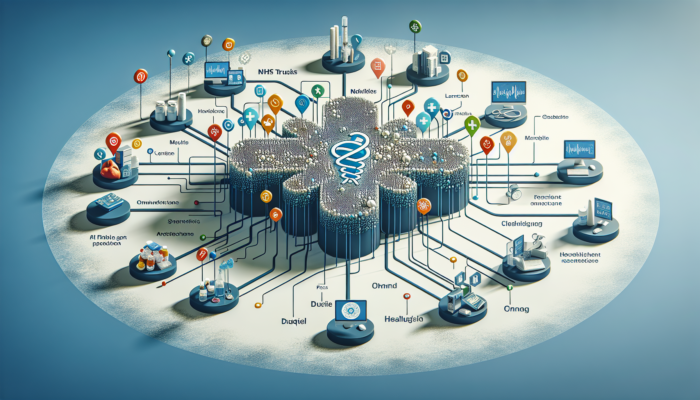
Infographic illustrating NHS structure with Trusts, CCGs, PCNs, and technological solutions for patient care and operational efficiency.

The NHS functions as a publicly funded entity dedicated to providing healthcare services to the UK population. Its organisational framework consists of several components, including NHS Trusts, Clinical Commissioning Groups (CCGs), and Primary Care Networks (PCNs), each playing a distinct role within the healthcare system. For entrepreneurs aiming to expand a healthcare technology business, recognising and understanding these layers is imperative. Each NHS Trust encounters unique operational challenges and requirements, creating tailored opportunities for innovative technological solutions that directly address needs in patient care and service delivery efficiency.

Numerous pathways exist to enhance patient management systems, improve telehealth services, and develop applications that boost patient engagement and education. The NHS’s proactive approach to embracing technology—particularly in response to the challenges raised by the COVID-19 pandemic—creates a favourable environment for new entrants in the marketplace. Additionally, the NHS Long Term Plan explicitly highlights a commitment to digital transformation, encouraging companies to align their technological offerings with the strategic goals identified by the NHS.

A crucial strategy for achieving success in this ecosystem involves identifying specific NHS Trusts that demonstrate a readiness to accommodate innovation. By concentrating on areas such as remote patient monitoring and integrated care systems, technology firms can position themselves as essential partners in the NHS’s mission to enhance patient outcomes and improve operational efficiencies. Collaborating with NHS entities can provide invaluable insights into the diverse needs of various patient populations, guiding the development of targeted and effective solutions that address pressing healthcare challenges.

Navigating the Regulatory Environment Impacting Healthcare Technology

The UK healthcare sector is governed by rigorous regulations designed to protect patient safety, ensure data protection, and deliver high-quality services. Companies operating in this domain must skillfully navigate the frameworks established by the Care Quality Commission (CQC) and the Medicines and Healthcare products Regulatory Agency (MHRA), as compliance with these standards is essential for those aspiring to expand a healthcare technology business.

A comprehensive understanding of the General Data Protection Regulation (GDPR) is especially critical, as it outlines the protocols for managing personal data within technology solutions. Familiarity with these regulations not only reduces legal risks but also fosters trust among healthcare providers and patients alike. Organisations that prioritise effective data protection practices are more likely to gain traction and establish credibility in an increasingly competitive marketplace.

To thrive in this regulatory climate, businesses should implement robust compliance strategies from the outset, integrating legal advisors and compliance officers into the product development process. Conducting regular audits, providing employee training, and collaborating with regulatory authorities can ensure a proactive approach to compliance. This strategy not only secures operational legitimacy but also enhances the attractiveness of technology offerings to potential partners, both within the NHS and the private healthcare sector.

Performing Comprehensive Market Analysis to Identify Opportunities

Conducting a thorough market analysis is essential for any technology company seeking success in the UK healthcare sector. Gaining insights into the current needs and gaps within the healthcare system enables innovators to tailor their solutions to address specific challenges faced by both providers and patients. Recent studies reveal a growing demand for mental health services, remote monitoring capabilities, and personalised medicine, signalling areas ripe for innovative intervention.

Utilising research methodologies such as surveys, focus groups, and industry reports can yield critical insights into the needs of patients and healthcare providers. Engaging directly with healthcare professionals fosters an understanding of the operational challenges they face, guiding product development. For instance, if research reveals inefficiencies in patient data management across NHS Trusts, technology companies can create solutions that enhance interoperability and streamline workflows, ultimately improving overall efficiency in care delivery.

Furthermore, conducting a competitive analysis is vital. Companies must assess existing solutions in the market, evaluating their strengths and weaknesses while determining how to differentiate their own offerings. By articulating unique value propositions clearly and demonstrating how these solutions can address specific problems, technology firms can effectively position themselves within the market.

Investing the necessary time and resources into thorough market research will not only inform product development but also shape effective marketing strategies. A deep understanding of the demographics that comprise the UK healthcare landscape will enable businesses to tailor their messaging and outreach efforts, ensuring they resonate with the appropriate audiences and stakeholders.

Forging Strategic Partnerships to Propel Growth in Healthcare Technology

Executives shaking hands with representatives from academia, NHS, and private healthcare, symbolising strategic growth in healthcare technology.

Strategic partnerships are essential for companies looking to expand a healthcare technology business. By nurturing relationships with academic institutions, engaging with NHS Trusts, and collaborating with private healthcare providers, technology firms can significantly enhance their reach, credibility, and product development capabilities.

Leveraging Collaborations with UK Universities to Drive Innovation

UK universities are at the forefront of healthcare innovation, creating a vibrant ecosystem that supports the growth of tech companies. Collaborating with academic institutions allows firms to access cutting-edge research, engage with a skilled talent pool, and benefit from the latest advancements in medical technology. Many universities operate incubators and accelerators specifically designed to support health tech startups, offering invaluable resources and guidance.

By forming research partnerships, technology companies can harness the academic expertise of faculty members to develop evidence-based solutions that resonate with healthcare professionals. These collaborations not only enhance product credibility but can also lead to impactful clinical trials that demonstrate efficacy and safety—key factors in earning trust from the healthcare community.

Moreover, universities often have established connections with NHS Trusts, facilitating introductions that could lead to pilot programmes or the early adoption of new technologies. This pathway to collaboration with NHS entities can significantly expedite the scaling process, providing real-world testing environments and essential feedback for refining products.

Investing in partnerships with universities also opens avenues for talent acquisition. Graduates and postgraduates from healthcare-focused programmes can offer fresh perspectives and innovative ideas, enriching the organisational culture and driving continuous improvement in product offerings.

Effectively Engaging with NHS Trusts for Collaborative Innovation

Building strong relationships with NHS Trusts is a crucial strategy for technology companies wishing to expand a healthcare technology business in the UK. These trusts are responsible for delivering healthcare services and are typically eager to explore innovative solutions that can enhance service delivery and patient care. Establishing connections with decision-makers within these trusts can lead to collaborations on pilot projects, providing tech companies with the opportunity to showcase their capabilities in a real-world environment.

To engage effectively with NHS Trusts, it is essential to comprehend the specific challenges they encounter. Hosting workshops, attending health tech conferences, and networking at industry events can help establish credibility and build rapport with key stakeholders. Presenting compelling case studies or evidence of successful implementations in similar settings can further strengthen your pitch and foster trust.

Additionally, proactively addressing the sustainability objectives outlined in the NHS Long Term Plan can resonate well with NHS Trusts. Tailoring solutions that contribute to operational efficiencies, cost savings, or improved patient outcomes will not only align with NHS priorities but also position your company as an invaluable partner in advancing the healthcare agenda.

Through consistent engagement and a demonstrated commitment to addressing the unique challenges faced by NHS Trusts, technology companies can forge lasting partnerships that facilitate scaling efforts and significantly broaden their market impact.

Collaborating with Private Healthcare Providers for Market Diversification

Executives shaking hands with healthcare providers, showcasing market diversification and innovative medical tech against UK landmarks.

The private healthcare sector in the UK presents a significant opportunity for tech companies seeking to broaden their influence. Collaborating with private healthcare providers allows organisations to diversify their customer base and tap into markets that may be more receptive to innovative solutions. Unlike the NHS, where procurement processes can be lengthy and complex, private providers often possess greater flexibility in adopting new technologies.

Identifying suitable private healthcare partners entails researching their specific needs and pain points. Engaging in discussions about operational inefficiencies, patient engagement challenges, or data management issues they encounter can provide valuable insights. By offering tailored solutions that directly address these needs, technology companies can position themselves as indispensable partners in enhancing care delivery.

Moreover, private healthcare providers are generally more open to pilot programmes and collaborative ventures. This flexibility allows tech companies to refine their offerings while gathering crucial feedback that can be used to improve products before scaling further. Successful collaborations can also result in testimonials and case studies that bolster the company’s reputation within the broader healthcare landscape.

Networking within private healthcare circles, attending relevant events, and demonstrating a clear understanding of the unique market dynamics of the private sector will significantly enhance your chances of building fruitful partnerships.

Discovering Funding and Investment Opportunities for Business Growth

Securing funding is crucial for any startup, and when it comes to expanding a healthcare technology business, understanding the investment landscape in the UK is essential. Various avenues exist for securing the necessary financial support for growth, ranging from government grants to venture capital and crowdfunding options.

Identifying and Securing Government Grants for Healthcare Innovation in the UK

The UK government is committed to fostering innovation in healthcare technology, offering various grants and funding initiatives specifically aimed at tech companies. Understanding this funding landscape can provide a competitive advantage when seeking resources to scale operations. Programmes such as the Small Business Research Initiative (SBRI) and Innovate UK’s funding competitions frequently focus on healthcare innovations that can demonstrate potential benefits to the NHS and public health.

Applying for these grants typically requires a well-structured proposal that clearly outlines the project’s objectives, potential impact, and alignment with government priorities in health technology. It is vital to demonstrate feasibility and sustainability while detailing expected outcomes. Success in securing government funding not only provides financial support but also enhances the credibility of your project, making it more attractive to further investment opportunities.

Furthermore, engaging with local Enterprise Zones or Business Growth Hubs can uncover additional support networks and funding opportunities. These organisations are well-versed in the complexities of the funding landscape and can assist in connecting companies with relevant resources.

Adopting a strategic approach to grant applications—understanding specific requirements and tailoring submissions accordingly—will significantly improve the chances of success, providing essential capital to scale effectively.

Attracting Venture Capital for Accelerated Growth in Healthcare Technology

Venture capital (VC) represents a vital funding avenue for tech companies aiming for rapid growth. The UK boasts a vibrant venture capital scene, with numerous firms actively seeking investment opportunities in healthcare technology. Crafting a compelling pitch that resonates with potential investors is crucial when attempting to secure funding.

Investors are particularly interested in the scalability of your solution and its potential for market disruption. Clearly articulating a strong value proposition, supported by comprehensive market research and evidence of demand, will be essential in convincing investors of your business’s viability. Highlighting previous successes, partnerships, or pilot projects can further bolster your case and enhance credibility.

Networking within the VC community, attending pitch events, and leveraging platforms like Seedrs or Crowdcube can significantly increase visibility to the right investors. Additionally, showcasing a robust management team and demonstrating a well-structured business model will be critical factors in attracting venture capital.

Building relationships with investors can also provide ongoing support and mentorship, extending beyond just financial backing. Their expertise and insights can help navigate challenges and identify growth opportunities as you scale your healthcare technology business.

Utilising Crowdfunding Campaigns for Effective Capital Generation

Crowdfunding has emerged as a popular and effective means of raising capital for startups, particularly in the healthcare technology sector. Platforms such as Crowdcube and Seedrs enable companies to present their ideas to potential investors and secure funding from a diverse audience. This approach not only provides financial support but also helps validate the product concept by generating interest from the public.

Creating a compelling campaign necessitates a strong narrative about your product and its impact on the healthcare sector. Clearly communicating the problem being addressed and the unique features of your technology will attract potential backers. Engaging visuals, videos, and testimonials can further enhance the appeal of your campaign, increasing the likelihood of resonating with potential investors.

Moreover, successful crowdfunding campaigns can lead to significant publicity, generating buzz around your company that may attract the attention of venture capitalists and other funding sources. The community aspect of crowdfunding also creates a dedicated group of early adopters who can provide invaluable feedback, helping to refine the product before its broader market release.

Engaging with your backers post-campaign can foster loyalty and support, paving the way for future funding rounds as you continue to expand your healthcare technology solutions.

Accelerating Technology Development and Fostering Innovation

Emphasising technology development and innovation is essential for those seeking to expand a healthcare technology business. By leveraging local tech hubs, adhering to data protection standards, and incorporating cutting-edge technologies, companies can accelerate growth while enhancing their product offerings.

Capitalising on UK Tech Hubs for Healthcare Innovation

The UK is home to a variety of technology hubs and incubators that serve as dynamic ecosystems for health tech innovation. Cities such as London, Cambridge, and Manchester host numerous initiatives designed to support startups through mentorship, funding, and networking opportunities. By embedding themselves within these ecosystems, tech companies can access vital resources that expedite their growth.

Collaboration with other startups, industry experts, and academics within these hubs fosters a culture of innovation. Regular networking events, workshops, and seminars create an environment conducive to sharing ideas and best practices. Furthermore, the proximity to potential investors and partners increases the likelihood of forging beneficial relationships that can enhance the scalability of technology solutions.

Many tech hubs also offer tailored support specifically for healthcare technology initiatives, ranging from regulatory guidance to access to clinical trial facilities. Engaging with these resources ensures that tech companies remain at the forefront of industry advancements and best practices, significantly enhancing their ability to scale effectively.

Participating in accelerator programmes can also provide structured pathways to market, helping startups refine their business models and product offerings in alignment with market demands and opportunities.

Ensuring Compliance with UK Data Protection Standards in Healthcare

Adherence to UK data protection standards, particularly GDPR, is non-negotiable for any healthcare technology company. Given that solutions frequently involve handling sensitive patient information, it is crucial for companies to establish robust data protection frameworks. This commitment not only safeguards patient privacy but also builds trust with healthcare providers and patients alike.

Implementing comprehensive data management protocols that include encryption, access controls, and clear data usage policies is essential. Training employees on GDPR compliance and data security best practices will further ensure a culture prioritising data protection within the organisation.

Additionally, transparency in data handling practices can significantly enhance your tech company’s reputation within the healthcare sector. Clearly communicating how data is collected, stored, and utilised in your solutions can alleviate potential concerns from healthcare professionals and patients regarding privacy and security.

As more healthcare providers seek to adopt digital solutions, demonstrating a strong commitment to data protection can set your company apart from competitors and establish a solid foundation for sustainable scaling operations.

Integrating AI and Machine Learning for Enhanced Healthcare Solutions

Incorporating artificial intelligence (AI) and machine learning (ML) into healthcare solutions can dramatically improve their efficacy and appeal. These technologies have the potential to drive enhanced patient outcomes through predictive analytics, personalised treatment plans, and increased operational efficiencies.

For example, AI can be employed to analyse vast datasets, identifying trends and patterns that human analysts may overlook. This capability can lead to earlier diagnoses and improved treatment pathways, making your technology invaluable to healthcare providers. Furthermore, ML algorithms can continuously learn from new data, ensuring that solutions remain relevant and effective as healthcare practices evolve.

Investing in AI and ML capabilities necessitates collaboration with experts in the field. Engaging with data scientists and healthcare professionals ensures that the technology developed is both innovative and clinically relevant. Establishing partnerships with research institutions or data analytics firms can provide access to the expertise required for successful implementation.

Moreover, showcasing the capabilities of AI and ML within your product can attract interest from investors and healthcare organisations, particularly those focused on enhancing patient care and operational efficiency. As the demand for intelligent healthcare solutions continues to grow, companies that effectively leverage these technologies will be well-positioned for success.

Collaborating with UK Universities for Technology Development

Forming strategic partnerships with UK universities in technology development is a tactical approach for healthcare tech companies. Academic institutions are increasingly directing their research efforts towards healthcare innovation, and collaborating with them can yield access to cutting-edge research and talent. Universities often possess competitive research grants and resources that can support the development of healthcare technologies.

By engaging in joint research projects, tech companies can benefit from the academic expertise of faculty members and gain access to state-of-the-art facilities. Universities also have networks of healthcare professionals who can provide valuable insights into current healthcare challenges and needs. These collaborations frequently result in innovative solutions that address the real-world problems faced by the healthcare sector.

Furthermore, these partnerships can facilitate clinical trials and pilot studies, providing crucial data on product efficacy and user experience. Demonstrating the impact of your technology through rigorous academic research enhances credibility and can attract interest from potential investors and partners.

Additionally, establishing relationships with universities can lead to future talent acquisition, enabling companies to recruit graduates who are well-versed in the latest healthcare technologies and research methodologies. This influx of fresh ideas can drive continuous innovation within your company, essential for successfully scaling in a competitive landscape.

Implementing Effective Marketing and Branding Strategies for UK Healthcare Tech Companies

Implementing effective marketing and branding strategies is a critical component of expanding a healthcare technology business. Tailoring approaches to resonate with UK audiences, developing a strong brand identity, and engaging in relevant events and digital platforms can significantly enhance visibility and credibility within the market.

Customising Marketing Strategies to Align with UK Audiences

To successfully market healthcare technology solutions in the UK, it is essential to adjust strategies to resonate with both healthcare professionals and patients. Understanding the unique characteristics and preferences of the UK market enables companies to craft messages that effectively address their audience’s needs and values.

Utilising case studies, testimonials, and success stories from within the NHS or private healthcare settings can improve credibility and foster trust among potential clients. Demonstrating how your technology effectively addresses specific challenges faced by healthcare providers or enhances patient outcomes will resonate well with your target audience.

Moreover, digital marketing strategies should be tailored to effectively reach specific demographics. Engaging in content marketing that educates healthcare professionals about industry trends and innovations positions your company as a thought leader in the healthcare space.

Furthermore, leveraging social media platforms to share valuable insights, customer experiences, and updates can increase engagement and visibility. Collaborating with influencers in the healthcare sector can amplify marketing efforts, driving awareness and interest in your technology solutions.

Establishing a Strong Brand Identity within the UK Healthcare Sector

Creating a robust brand identity within the UK healthcare landscape is vital for long-term success. A well-defined brand that resonates with both healthcare professionals and patients can differentiate your company from competitors and foster loyalty.

This process begins with developing a compelling brand story that conveys your mission, values, and the unique benefits of your technology solutions. Consistency in messaging across all channels—such as your website, social media, and marketing materials—reinforces brand recognition and builds credibility.

Utilising visual branding elements like logos, colour schemes, and marketing collateral that align with the healthcare industry further enhances brand identity. Engaging design professionals to create polished and appealing materials will resonate well with healthcare audiences.

Incorporating patient and provider testimonials into your marketing strategies can add authenticity to your brand narrative. This social proof not only enhances trust but also encourages word-of-mouth referrals—an invaluable asset in the healthcare sector.

Maximising Opportunities at UK Healthcare Events

Participating in UK healthcare conferences and expos provides an excellent opportunity to increase visibility and engage with potential partners and customers. These events serve as platforms for networking, showcasing innovations, and gaining insights into industry trends.

Preparing for these events requires strategic planning. Developing an engaging booth that highlights your technology solutions and offers interactive demonstrations can attract attendees’ attention. Collecting contact information through lead generation strategies will help build a database of potential clients and collaborators.

Additionally, securing speaking opportunities at conferences allows tech companies to present their solutions and showcase thought leadership to a captive audience. Sharing insights, case studies, and the benefits of your technology can significantly elevate your company’s profile within the healthcare community.

Post-event follow-up is crucial for converting leads into partnerships or customers. Sending personalised messages, sharing additional resources, or offering exclusive content can keep your company at the forefront of potential clients’ minds, enhancing engagement and fostering relationships.

Utilising Digital Marketing Channels Specific to the UK Healthcare Sector

Leveraging UK-specific digital marketing channels is essential for effectively reaching healthcare audiences. Platforms such as NHS websites, local social media groups, and healthcare forums can facilitate engagement with target demographics.

Creating informative content that addresses common pain points or questions within the healthcare community can significantly improve visibility in search engine results. Employing SEO strategies tailored to the healthcare sector will ensure that your company appears prominently when potential customers seek solutions.

Additionally, participating in online discussions within healthcare forums or groups can establish your company as a thought leader, enhancing credibility and fostering community trust. Regularly sharing valuable insights and updates on these platforms will further bolster your visibility within the sector.

Email marketing campaigns targeting healthcare professionals can also yield high engagement rates. Providing valuable content, insights, or exclusive offers tailored to their needs will help build relationships and drive conversions.

Engaging with UK Healthcare Regulatory Bodies for Compliance and Credibility

Collaborating with UK regulatory bodies is critical for establishing credibility and ensuring compliance within the healthcare sector. Engaging with organisations such as the Care Quality Commission (CQC) and the Medicines and Healthcare products Regulatory Agency (MHRA) can offer valuable insights into regulatory requirements and best practices.

Establishing open lines of communication with these regulatory bodies ensures that companies remain informed about changes in regulations that may affect their technology solutions. Regularly attending regulatory workshops or consultations will help ensure that your team is well-versed in compliance standards.

Moreover, demonstrating a commitment to regulatory compliance in your marketing materials can enhance your company’s reputation within the healthcare sector. Highlighting adherence to guidelines and standards reassures potential partners and customers of your dedication to quality and safety in healthcare technology.

Incorporating feedback from regulatory bodies into product development can lead to improvements that align with industry standards. This proactive approach enhances your company’s credibility and supports scaling efforts as you establish a strong presence in the UK healthcare market.

Strategic Approaches for Scaling Operations and Enhancing Market Reach

Successfully scaling a healthcare technology business necessitates strategic planning around operations and growth. By focusing on talent acquisition, establishing a presence in the UK, and diversifying service offerings, companies can effectively navigate the complexities inherent in scaling within the healthcare sector.

Recruiting Top Talent to Support Growth in Healthcare Technology

Attracting skilled professionals in the UK healthcare technology sector is vital for supporting growth and innovation. The demand for talent in this field is high, and having a skilled workforce can significantly enhance your company’s ability to innovate and scale effectively.

Developing a clear hiring strategy that identifies the skills and qualifications necessary for your team will streamline the recruitment process. Engaging with recruitment agencies that specialise in healthcare technology can facilitate finding suitable candidates who align with your company’s vision.

Moreover, fostering a positive company culture that promotes innovation, collaboration, and continuous learning will attract top talent. Offering training and development opportunities not only enhances employee satisfaction but also contributes to the overall skill set of your workforce, driving continuous improvement.

Networking at industry events, job fairs, and university career days can also yield potential candidates. Establishing relationships with academic institutions can create a pipeline of talent eager to enter the healthcare technology sector, providing a steady flow of new ideas and perspectives.

Establishing UK-Based Offices for Improved Operations

Setting up operational bases in strategic locations throughout the UK can significantly enhance service delivery and strengthen relationships with partners. Proximity to key stakeholders, such as NHS Trusts and healthcare providers, facilitates collaboration and improves response times to client needs.

When determining the ideal locations for offices, factors such as access to transport links, availability of skilled talent, and proximity to healthcare institutions should be carefully evaluated. Cities like London, Manchester, and Cambridge are renowned for their robust healthcare ecosystems and can provide valuable networking opportunities that can benefit growth.

Establishing a physical presence also fosters a sense of legitimacy and commitment to the UK market. It signals to potential partners and clients that your company is dedicated to meeting their needs and contributing to the advancement of the healthcare sector.

Additionally, local offices can serve as innovation hubs, providing collaborative spaces for teams to develop new solutions tailored specifically to the UK healthcare market.

Diversifying Service Offerings to Meet Evolving Healthcare Needs

Expanding service offerings is essential for addressing the diverse needs of the UK healthcare market. As the landscape continues to evolve, technology companies must remain agile, adapting their offerings to tackle emerging challenges and opportunities.

Conducting regular market assessments will help identify gaps or new trends within the healthcare sector. For instance, as telehealth gains traction, companies may consider expanding their offerings to include remote monitoring solutions, mobile health applications, or virtual consultation platforms.

Moreover, fostering strong relationships with existing clients can provide insights into their evolving needs, guiding the development of new services that enhance patient care and operational efficiency. Customised solutions catering to specific healthcare settings or patient populations can create significant differentiation in a competitive market.

Investing in research and development will also enable companies to stay ahead of the curve, ensuring that their offerings remain relevant and effective. As the healthcare landscape continues to shift, being responsive to industry demands positions tech companies for long-term success.

Common Inquiries Regarding Scaling in the UK Healthcare Sector

What are the main obstacles in expanding a healthcare technology business in the UK?

Key challenges include navigating the regulatory landscape, securing funding, and establishing partnerships with NHS Trusts and private healthcare providers.

How significant is compliance with UK healthcare regulations for businesses?

Compliance is vital as it ensures patient safety and builds trust with healthcare providers and patients, ultimately facilitating successful scaling efforts.

What funding avenues are available for healthcare technology startups in the UK?

Healthcare technology startups can access government grants, venture capital, and crowdfunding platforms to secure the necessary funding for growth initiatives.

How does collaboration with UK universities benefit healthcare technology companies?

Collaboration provides access to cutting-edge research, skilled talent, and potential partnerships with NHS Trusts, enhancing innovation and product development.

What role does market analysis play in scaling a healthcare technology business?

Market analysis identifies needs, gaps, and opportunities within the healthcare sector, effectively guiding product development and marketing strategies.

Why is establishing strategic partnerships essential for scaling operations?

Strategic partnerships enhance credibility, provide access to new markets, and facilitate collaboration with key stakeholders in the healthcare sector.

How can companies ensure data protection in healthcare technology?

Implementing robust data management protocols and adhering to GDPR regulations is essential for safeguarding patient information while ensuring compliance.

What marketing strategies are most effective for healthcare technology companies in the UK?

Tailored marketing strategies that resonate with healthcare professionals and patients, including case studies and digital engagement efforts, can significantly enhance visibility.

What advantages are there in participating in UK healthcare events?

Participation increases visibility, provides networking opportunities, and facilitates showcasing innovations to potential partners and customers in the healthcare space.

How can startups attract venture capital for healthcare technology investments?

Creating a compelling pitch that highlights scalability, market disruption potential, and previous successes is critical to attracting venture capital interest.

Originally posted 2025-04-21 20:47:15.

The post Scaling a Healthcare Tech Company in the UK: Your Essential Guide appeared first on Healthcare Marketing Service.

AI for Healthcare Scheduling: Boosting Efficiency and Productivity

Revolutionising Healthcare Scheduling in the UK Through Cutting-Edge Artificial Intelligence

Artificial Intelligence (AI) is fundamentally transforming the domain of healthcare scheduling throughout the United Kingdom, offering remarkable opportunities to enhance patient care, optimise resource management, and significantly decrease waiting times. The adoption of AI within the National Health Service (NHS) is not merely a fleeting trend; it represents a robust framework capable of revamping appointment management, ensuring a more fluid and patient-centric experience. By utilising AI for healthcare scheduling, the NHS can elevate operational efficiencies, ultimately resulting in markedly improved health outcomes for patients across the nation.

Enhancing Appointment Management Efficiency Using AI Within the NHS

The integration of AI technology into NHS scheduling frameworks is ushering in enhanced efficiency in appointment management processes. Conventional scheduling methods often impose considerable administrative burdens, leading to extended wait times and diminished patient satisfaction. By harnessing the capabilities of AI, NHS trusts can automate these laborious tasks, expediting appointment bookings and improving overall access to healthcare services. AI algorithms excel in analysing historical data, enabling healthcare professionals to pinpoint optimal appointment times based on current demand and resource availability, thereby significantly enriching the patient experience.

For instance, AI can effectively anticipate surges in patient demand during specific periods, such as flu seasons, thus allowing hospitals to proactively adjust staffing levels and resource distribution. This proactive approach alleviates pressure on healthcare facilities while also enhancing patient access to timely medical interventions. Additionally, it mitigates the risk of overbooking, which can result in patient dissatisfaction and increased rates of no-shows. With AI steering the scheduling process, patients gain access to a more agile and responsive system, carefully tailored to meet their unique needs.

Innovating Healthcare Service Delivery with AI-Driven Predictive Scheduling Models

Predictive scheduling models powered by AI are transforming the delivery of healthcare services in the UK. These sophisticated models leverage extensive datasets from various sources, including historical appointment records, patient demographics, and local health trends, to forecast peak demand periods for healthcare services. By understanding these trends, healthcare administrators can allocate staff and resources more efficiently, ensuring that patients receive timely care without unwarranted delays.

For example, by employing advanced machine learning algorithms, hospitals can accurately predict when specific specialities, such as orthopaedics or cardiology, will face increased patient volumes. This foresight allows hospitals to bolster staffing during these peak periods, ensuring a high standard of care while minimising waiting times for patients. Moreover, predictive models assist in analysing patient behaviours, which can help reduce no-show rates by identifying factors that influence missed appointments. By implementing these cutting-edge predictive models, the NHS can cultivate a more efficient scheduling framework, ultimately leading to enhanced patient outcomes.

Emphasising a Patient-Centric Approach in Healthcare Scheduling

The emphasis on healthcare scheduling is increasingly gravitating towards a more patient-centred model, significantly powered by advancements in AI technology. By leveraging AI for healthcare scheduling, systems are now adept at accommodating individual patient preferences and specific requirements, which elevates satisfaction and adherence to medical appointments. AI-driven scheduling tools can take into account factors such as the patient’s geographical location, preferred appointment times, and unique health needs while generating schedules.

This personalised approach not only boosts patient satisfaction but also fosters a stronger connection between patients and healthcare providers. When patients feel that their preferences are acknowledged and valued, they are more likely to keep their appointments, leading to better health outcomes. In the UK, where there is an increasing focus on patient choice and active participation in healthcare decisions, AI’s capability to create tailored scheduling solutions is critically vital. By prioritising patient needs, the healthcare system can evolve into a more responsive and effective entity, ultimately contributing to a healthier population.

Significant Advantages of AI-Enhanced Scheduling Systems in UK Hospitals

The integration of AI into healthcare scheduling systems offers numerous advantages for hospitals throughout the United Kingdom. From markedly reducing waiting times to substantially improving patient outcomes, the benefits of leveraging AI for healthcare scheduling are both extensive and impactful.

Minimising Patient Waiting Times Through AI Innovations

One of the most notable benefits of AI scheduling is its capacity to drastically reduce waiting times for patients. Traditional appointment scheduling methods often lead to inefficient utilisation of time slots, resulting in prolonged waits and frustration for patients. By optimising appointment allocation through AI algorithms, hospitals can significantly shorten these waiting periods. AI can evaluate when patients are most likely to attend their appointments and adjust schedules accordingly, thereby minimising the occurrence of empty slots due to no-shows.

Moreover, AI can assess real-time data to predict cancellations and fluctuations in patient demand, allowing hospitals to proactively modify their schedules. For instance, if a particular clinic experiences an unexpected drop in patient appointments due to unforeseen circumstances, AI can swiftly identify this trend and fill those gaps with patients requiring urgent care. This dynamic scheduling capability ensures that patients receive timely medical attention while optimally utilising healthcare resources, thereby enhancing the overall patient experience.

Boosting Resource Management Efficiency with AI Scheduling Systems

AI scheduling systems play a crucial role in optimising resource management within UK hospitals. By providing administrators with insights into patient demand and appointment trends, AI facilitates the effective allocation of staff and resources. This leads to improved operational efficiency and significant cost savings for healthcare providers, enabling them to focus on delivering high-quality care.

For instance, by accurately predicting patient volumes, hospitals can avoid overstaffing during quieter periods while ensuring sufficient coverage during busier times. This level of optimisation allows healthcare providers to maintain a high standard of care without incurring unnecessary expenses. Additionally, AI can identify bottlenecks within the scheduling process, enabling administrators to address inefficiencies and streamline operations further. The result is a more effective healthcare delivery model that benefits both patients and providers alike.

Enhancing Patient Outcomes Through Effective Scheduling Practices

Efficient scheduling facilitated by AI not only improves operational efficiency but also plays a pivotal role in enhancing patient outcomes. When patients receive timely interventions, the chances of successful treatment increase significantly. By optimising appointment scheduling, AI ensures that patients are attended to when they require care the most, thereby minimising the risk of complications and deteriorating health conditions.

In addition, timely access to healthcare services can greatly assist in managing chronic diseases. For instance, patients with conditions such as diabetes or hypertension require regular monitoring and follow-up appointments. AI scheduling systems can ensure that these patients consistently see their healthcare providers, facilitating ongoing support and care. Improved patient outcomes lead to higher satisfaction rates among patients, reinforcing the importance of leveraging AI for healthcare scheduling within the UK.

Increasing Operational Efficiency Across Healthcare Facilities with AI

AI scheduling systems inherently enhance hospital operations, resulting in increased operational efficiency. By automating and optimising scheduling tasks, healthcare staff can spend less time on administrative responsibilities and devote more attention to patient care. This shift not only enhances the overall experience for patients but also reduces the risk of burnout among healthcare professionals, fostering a healthier workplace environment.

Additionally, AI systems can offer valuable analytics and reporting functionalities, enabling hospital administrators to monitor performance metrics and identify areas that require improvement. This data-driven approach allows healthcare organisations to make informed decisions regarding resource allocation, staffing levels, and patient engagement strategies. The result is a more agile and responsive healthcare system that prioritises efficiency while ensuring high-quality care for all patients.

Maximising Data Utilisation for Superior Scheduling Outcomes

The effective utilisation of data is fundamental to the success of AI scheduling systems. By analysing scheduling data, AI can identify patterns and trends that inform future bookings, leading to improved hospital performance and patient flow. Understanding these trends allows healthcare providers to anticipate patient needs and adjust scheduling accordingly, creating a more seamless experience for patients.

For example, by reviewing historical data related to appointment types, healthcare organisations can better predict which services will encounter increased demand during specific periods. This insight enables them to allocate resources effectively, ensuring that patients receive the necessary care exactly when they need it. Furthermore, AI can facilitate continuous improvement by learning from past scheduling experiences, enabling hospitals to refine their processes over time. This ongoing optimisation ultimately leads to enhanced patient outcomes and a more efficient overall healthcare system.

Addressing Challenges in AI Implementation for Healthcare Scheduling

While the advantages of leveraging AI for healthcare scheduling are evident, several challenges must be navigated to ensure successful implementation. From addressing data privacy concerns to the need for staff training, overcoming these obstacles necessitates careful consideration and strategic planning.

Mitigating Data Privacy Concerns in Healthcare AI Systems

Data privacy stands as a critical concern when implementing AI scheduling within healthcare environments. The sensitive nature of patient information necessitates stringent measures to protect data from breaches and misuse. As AI systems rely on vast amounts of data to function effectively, healthcare organisations must prioritise robust data protection protocols. This includes compliance with UK data protection laws, such as the General Data Protection Regulation (GDPR).

To mitigate data privacy risks, healthcare providers can employ encryption technologies and anonymisation strategies that safeguard patient identities while still allowing for substantial data analysis. Additionally, transparent data handling practices can foster trust among patients, reassuring them that their information is being used responsibly. By prioritising data privacy, healthcare organisations can confidently embrace AI technologies without compromising patient trust or safety.

Overcoming Integration Challenges with Existing Healthcare Systems

Integrating AI systems with pre-existing healthcare IT infrastructure presents another significant challenge. Many healthcare organisations in the UK operate on legacy systems that may not seamlessly align with advanced AI technologies. Ensuring smooth integration is essential to fully realise the advantages of AI scheduling while maintaining continuity in patient care.

To address integration challenges, healthcare providers should collaborate closely with technology vendors to develop tailored solutions that align with their current systems. Investing in middleware solutions can facilitate communication between disparate systems, ensuring that AI technologies can access and analyse the necessary data without issue. By prioritising integration, healthcare organisations can establish a cohesive scheduling ecosystem that enhances patient care and operational efficiency.

Promoting Staff Training and Acceptance of AI Technologies

The successful adoption of AI scheduling systems hinges on the training and acceptance of healthcare staff. Many professionals may feel apprehensive about using new technologies, particularly those heavily reliant on data analysis. To address these concerns, healthcare organisations must invest in comprehensive training programmes that equip staff with the knowledge and skills necessary to effectively utilise AI tools.

Training initiatives should emphasise the benefits of AI scheduling, demonstrating how these technologies can streamline daily workflows and enhance patient care. Furthermore, involving staff in the implementation process can cultivate a sense of ownership and acceptance, encouraging them to embrace these innovations positively. By prioritising staff training and acceptance, healthcare organisations can maximise the benefits of AI scheduling while minimising resistance to change.

Ensuring Compliance with Regulatory and Ethical Standards in AI

Adhering to UK healthcare regulations and ethical standards is crucial for the successful implementation of AI scheduling systems. Regulatory frameworks must be considered throughout the development and deployment processes to ensure patient safety and data integrity. This includes compliance with guidelines established by organisations such as the Care Quality Commission (CQC) and the General Medical Council (GMC).

Moreover, ethical considerations regarding the use of AI in healthcare scheduling must be addressed. This encompasses avoiding biases in algorithms that could lead to disparities in healthcare access and outcomes. Regular audits and assessments of AI systems can help identify potential ethical concerns and ensure the responsible employment of these technologies. By prioritising regulatory compliance and ethical considerations, healthcare organisations can foster trust in AI scheduling systems and improve patient care.

Real-World Applications of AI in UK Healthcare Scheduling

Investigating real-world applications of AI in healthcare scheduling can provide invaluable insights into its effectiveness and potential for enhancement. Numerous NHS trusts and private healthcare providers in the UK have adopted AI technologies, yielding promising results.

Successful Pilot Initiatives by NHS Trusts

Several NHS trusts have initiated pilot programmes for AI scheduling systems, showcasing remarkable enhancements in operational efficiency and patient satisfaction. For instance, a recent pilot at a London-based NHS trust adopted an AI-driven scheduling tool that decreased patient waiting times by as much as 30%. By analysing historical data, the AI system was remarkably effective at optimising appointment slots, ensuring that patients received timely care while utilising staff resources more effectively.

The success of this pilot programme has motivated other NHS trusts to explore similar AI solutions, acknowledging the potential for improved patient outcomes and streamlined operations. As these programmes continue to expand, the evidence supporting the benefits of leveraging AI for healthcare scheduling will further increase, encouraging widespread adoption across the UK healthcare system.

Innovative Strategies by Private Sector Healthcare Providers

In addition to NHS trusts, private healthcare providers in the UK are also embracing AI to refine their scheduling processes. A notable example is a private hospital in Manchester that has implemented an AI-driven scheduling platform capable of dynamically adapting to patient needs in real time. This innovative system not only optimises appointment times but also allows patients to book consultations through a user-friendly online portal, significantly enhancing accessibility and patient engagement.

The positive outcomes resulting from this initiative have encouraged other private providers to explore AI scheduling solutions, recognising their potential to enhance operational efficiency and patient satisfaction. By demonstrating the value of AI technology, private healthcare providers are paving the way for broader adoption across the UK healthcare landscape.

Patient Insights and Improved Health Outcomes Through AI Scheduling

Case studies have revealed that AI-assisted scheduling results in positive patient feedback and improved health outcomes. For example, following the implementation of an AI scheduling system, a hospital in Bristol reported a significant increase in patient satisfaction scores, with many patients praising the ease of booking appointments and receiving timely reminders.

Data collected from these case studies also indicated a reduction in missed appointments, contributing to improved continuity of care. Patients who received timely interventions reported better health outcomes and a heightened sense of engagement with their healthcare journey. These findings underscore the critical importance of leveraging AI for healthcare scheduling to enhance patient experiences and foster improved health results throughout the UK.

Emerging Trends and Innovations in AI Healthcare Scheduling

As AI technology continues to advance, its role in healthcare scheduling is set to expand, offering exciting opportunities for the future of patient care in the UK. From technological advancements to the integration of telemedicine, the healthcare landscape is evolving rapidly.

Future Developments in AI Technology for Healthcare Scheduling

Future advancements in AI technology are poised to create even more sophisticated scheduling solutions for UK healthcare providers. As machine learning algorithms become increasingly proficient at processing complex datasets, the ability to predict patient needs and optimise scheduling will improve significantly. This could encompass enhanced features for personalising appointment times based on individual patient preferences, ultimately leading to a more tailored healthcare experience.

Moreover, advancements in natural language processing may enable patients to interact with AI scheduling systems through voice commands or chat interfaces, further simplifying the appointment booking process. Such innovations are set to revolutionise the scheduling landscape, making it more intuitive and accessible for patients across the UK.

Integrating AI Scheduling with Telemedicine Services for Enhanced Accessibility

The convergence of AI scheduling with telemedicine is likely to be a transformative factor for healthcare accessibility in the UK. As telemedicine gains traction, AI can play a crucial role in streamlining the scheduling process for virtual consultations. Patients will be able to effortlessly book appointments with healthcare professionals, with AI-driven systems providing real-time availability and optimising scheduling according to patient needs.

This integration ensures that patients can access timely care regardless of their geographical location, removing barriers that may have previously hindered access to healthcare services. By leveraging AI for telemedicine scheduling, healthcare providers can enhance patient engagement and satisfaction, ultimately leading to improved health outcomes for all individuals.

Creating Personalised Healthcare Experiences Through AI

AI technology facilitates a more personalised approach to healthcare scheduling, addressing the unique needs and preferences of individual patients. In the future, AI systems may utilise patient data to tailor appointments based on factors such as medical history, preferred appointment times, and even transportation challenges. This level of personalisation can significantly enhance patient satisfaction and improve adherence to scheduled appointments.

Furthermore, as patients increasingly seek autonomy over their healthcare journeys, the ability to customise scheduling experiences will become even more crucial. By adopting personalised scheduling solutions, healthcare providers can nurture stronger relationships with patients, ultimately leading to improved health outcomes and satisfaction.

Utilising Advanced Data Analytics for Superior Scheduling Outcomes

The future of AI in healthcare scheduling will heavily rely on advanced data analytics capabilities. As AI systems continue to harness big data, healthcare providers will gain deeper insights into patient behaviour, appointment trends, and resource utilisation. This data-driven methodology will empower organisations to further optimise their scheduling processes, ensuring they meet the evolving needs of both patients and healthcare providers.

For instance, AI could identify patterns in appointment cancellations and no-shows, allowing healthcare providers to implement targeted strategies to mitigate these issues. By leveraging the potential of data analytics, AI scheduling systems can drive ongoing improvements in operational efficiency and patient care.

Addressing Ethical Considerations in AI Scheduling Practices

As AI scheduling systems become more widespread, addressing ethical considerations will be paramount. Ensuring fairness and transparency in healthcare access is essential for maintaining trust among patients and healthcare providers. To achieve this, healthcare organisations must establish ethical guidelines for AI systems, ensuring they are free from biases that could result in disparities in care.

Regular audits and assessments of AI algorithms can help identify and rectify potential ethical concerns, fostering accountability within healthcare organisations. By prioritising ethical considerations in AI scheduling, healthcare providers can create a fair and equitable system that benefits all patients in the UK.

Understanding Regulatory and Ethical Frameworks for AI Scheduling in Healthcare

Navigating the regulatory landscape and addressing ethical considerations are vital for the successful implementation of AI scheduling systems in UK healthcare. Ensuring compliance with data protection laws and maintaining ethical standards will be critical in fostering trust and maximising the potential of AI technologies.

Adhering to UK Data Protection Laws in AI Scheduling Systems

Compliance with UK data protection laws is fundamental for AI scheduling systems. The General Data Protection Regulation (GDPR) imposes strict requirements on how healthcare organisations manage patient data, necessitating robust security measures and transparency in data processing. Healthcare providers must ensure that AI systems are designed with data protection as a priority, safeguarding patient information from breaches and unauthorised access.

Additionally, organisations should implement policies and procedures that promote data minimisation, ensuring that only the data required for scheduling purposes is collected and processed. By prioritising compliance with data protection laws, healthcare organisations can build patient trust and confidence in AI scheduling systems.

Promoting Ethical Utilisation of AI in Healthcare Scheduling

The ethical use of AI in healthcare scheduling is crucial to prevent bias and ensure fairness in access to care. Given that AI algorithms depend on historical data for predictions, there is a risk of perpetuating existing disparities in healthcare access if these biases are not addressed. To combat this, healthcare organisations must ensure that their AI systems are developed with fairness and equity at the forefront.

Establishing clear ethical guidelines for AI use in scheduling will help organisations navigate these complex issues, promoting transparency and accountability. Regular evaluations of AI algorithms can also identify potential biases, enabling healthcare providers to make necessary adjustments to ensure equitable access to care.

Ensuring Transparency in AI Decision-Making Processes

Transparency in AI decision-making is essential for cultivating trust between patients and healthcare providers. Patients have the right to understand how their data is being used and how AI systems determine scheduling outcomes. By communicating the rationale behind AI-driven scheduling decisions, healthcare organisations can empower patients and promote a sense of agency in their healthcare experiences.

Moreover, providing patients with clear information about the functionality of AI scheduling can alleviate concerns regarding data privacy and algorithmic bias. By prioritising transparency, healthcare organisations can build trust in AI technologies and encourage patient engagement in their healthcare journeys.

Enhancing Patient Engagement Through Innovative AI Scheduling Solutions

AI technologies are revolutionising patient engagement in scheduling, empowering individuals to take control of their healthcare experiences. From self-scheduling tools to real-time updates, these innovations are transforming the way patients interact with healthcare providers.

Empowering Patients with Self-Scheduling Capabilities

AI-driven self-scheduling tools are transforming how patients arrange appointments, enabling them to take charge of their healthcare scheduling. Patients can conveniently access online platforms or mobile applications to view available appointment slots and select times that best suit their needs. This level of autonomy boosts patient satisfaction and engagement, allowing individuals to manage their schedules independently of administrative staff.

Furthermore, self-scheduling tools alleviate the administrative burden on healthcare providers, permitting staff to concentrate on patient care. By empowering patients to manage their own appointments, healthcare organisations can streamline their scheduling processes and enhance overall operational efficiency. The shift towards self-scheduling exemplifies the potential of leveraging AI for healthcare scheduling to create a more patient-centric experience.

Providing Immediate Scheduling Updates to Patients for Enhanced Engagement

In an increasingly interconnected world, patients expect real-time updates regarding their appointments. AI-driven scheduling systems can provide instant notifications about changes, cancellations, or reminders, keeping patients informed and engaged throughout their healthcare journeys. These timely updates not only decrease the likelihood of missed appointments but also improve overall patient satisfaction.

For example, if a healthcare provider needs to reschedule an appointment, AI systems can automatically inform the patient through their preferred communication method, such as text message or email. This immediate communication fosters trust and transparency, highlighting the critical importance of effective communication in healthcare settings.

Boosting Engagement with AI-Driven Appointment Notifications

AI systems are also capable of sending timely appointment reminders to patients, thereby reducing no-show rates and promoting adherence to their healthcare schedules. By leveraging predictive analytics, AI can identify patients at risk of missing appointments and dispatch personalised reminders tailored to their preferences.

These reminders can encompass crucial information such as appointment details, pre-visit instructions, and even follow-up care suggestions. By improving communication and delivering essential information, AI-driven appointment reminders contribute to better patient adherence to scheduled appointments and improved health outcomes.

Frequently Asked Questions About AI in Healthcare Scheduling

What does AI signify in the context of healthcare scheduling?

AI in healthcare scheduling refers to the application of artificial intelligence technologies to automate and optimise appointment scheduling, thereby enhancing efficiency and patient satisfaction.

How does AI help in reducing waiting times in healthcare?

AI minimises waiting times by optimising appointment slots, forecasting patient demand, and assisting healthcare providers in efficiently allocating resources to meet patient needs.

What are the primary advantages of implementing AI in healthcare scheduling?

The advantages include reduced waiting times, improved resource management, enhanced patient outcomes, increased operational efficiency, and superior data utilisation.

What challenges does AI face in healthcare scheduling?

Challenges encompass concerns regarding data privacy, integration with existing systems, the necessity for staff training and acceptance, and ensuring regulatory compliance and ethical use.

How can patient engagement be enhanced through AI?

Patient engagement can be elevated through self-scheduling tools, real-time updates, and AI-driven appointment reminders, facilitating a more personalised healthcare experience.

What is the significance of data privacy in AI scheduling?

Data privacy is critical in AI scheduling to protect sensitive patient information, necessitating compliance with regulations such as GDPR and the implementation of robust data protection measures.

In what ways do predictive models enhance scheduling?

Predictive models enhance scheduling by analysing historical data to anticipate patient demand, enabling healthcare providers to optimise staff allocation and resource management effectively.

What does the future hold for AI in healthcare scheduling?

The future of AI in healthcare scheduling includes advancements in technology, integration with telemedicine, personalised experiences, enhanced data analytics, and addressing ethical considerations.

Can AI systems exhibit bias in scheduling practices?

Yes, AI systems can display bias if they utilise flawed historical data, leading to disparities in healthcare access. Regular audits and established ethical guidelines are essential to mitigate this risk.

Why is transparency crucial in AI scheduling?

Transparency is vital in AI scheduling to build trust between patients and providers, ensuring individuals understand how their data is used and how scheduling decisions are made.

Originally posted 2025-04-15 12:43:27.

The post AI for Healthcare Scheduling to Enhance Efficiency and Productivity appeared first on Healthcare Marketing Service.

CRM Maintenance: Upgrades for Future-Proof Healthcare Management

In the ever-evolving realm of healthcare management, the effective implementation and diligent maintenance of a robust Customer Relationship Management (CRM) system are crucial for attaining organisational success. With the relentless pace of technological advancements reshaping the sector, healthcare providers must proactively ensure their CRM systems remain up to date, integrating the latest features and functionalities. This article explores the vital importance of consistent CRM maintenance and underscores the key system upgrades that can effectively secure the future of healthcare management.

Recognising the Essential Role of CRM Maintenance in Healthcare

Maintaining a CRM system is not a one-time task but a continuous endeavour that involves monitoring, updating, and enhancing the CRM framework within a healthcare organisation. The significance of this ongoing maintenance is profound and can be outlined as follows:

  1. Maximising Operational Efficiency: Regular CRM maintenance ensures that the system operates smoothly, granting healthcare professionals immediate access to precise patient information, appointment scheduling, and other essential data. This optimisation of daily operations not only alleviates the administrative burden but also significantly heightens overall operational efficiency within the organisation.
    • Enhanced operational efficiency considerably reduces patient wait times, enabling healthcare professionals to deliver timely and effective care when it is most needed.
    • Optimised operations empower healthcare organisations to accommodate a greater patient volume, thereby increasing potential revenue streams.
  2. Improving Patient Satisfaction: A well-maintained CRM system equips healthcare providers to offer personalised experiences to their patients. By efficiently capturing and analysing patient data—including medical history and individual preferences—healthcare professionals can deliver tailored care and proactive support, ultimately leading to higher levels of patient satisfaction.
    • Personalised care significantly enhances the patient experience, fostering trust and loyalty towards healthcare providers.
    • Proactive support derived from comprehensive patient data can address health issues before they escalate, resulting in better health outcomes.
  3. Guaranteeing Data Security and Regulatory Compliance: Healthcare organisations handle a vast amount of sensitive patient information. Regular CRM maintenance is essential for safeguarding data security and ensuring compliance with industry regulations, such as the Health Insurance Portability and Accountability Act (HIPAA). Upgrades may encompass advanced encryption protocols, secure data backups, and fortified access controls, all designed to shield patient data from cyber threats and unauthorised access.
    • Implementing stringent security measures protects patient data from potential breaches, thereby maintaining confidentiality and trust.
    • Compliance with regulatory requirements helps healthcare organisations avoid legal repercussions and potential damage to their reputation.
  4. Adapting to Evolving Industry Standards: The healthcare sector is in a state of constant flux, driven by advances in medical technology, changing patient needs, and updates in regulations. Maintaining a CRM system means staying informed about these changes and incorporating necessary updates to ensure seamless adaptation to new requirements and industry best practices.
    • Regular updates allow healthcare organisations to leverage new features and functionalities that align with current industry trends and standards.
    • Staying ahead of industry shifts empowers healthcare organisations to maintain their competitive edge and continue delivering high-quality care.

Vital CRM System Upgrades to Future-Proof Healthcare Management

A futuristic healthcare CRM interface on a touchscreen in a high-tech medical facility, featuring advanced analytics and secure data encryption.

To effectively future-proof healthcare management processes, consider implementing the following essential CRM system upgrades:

1. Transitioning to Cloud-Based CRM Solutions

Migrating your CRM system to a cloud-based platform brings numerous advantages. Cloud-based CRM solutions are characterised by their scalability, flexibility, and cost-effectiveness. They enable healthcare organisations to securely access CRM data from any location at any time, using any device with internet capabilities. Furthermore, adopting cloud-based CRM reduces the necessity for costly hardware investments and decreases reliance on in-house IT support.

- Scalability enables healthcare organisations to effortlessly adjust to growth and evolving requirements without incurring substantial hardware or software expenses.
        
  • Flexibility allows healthcare professionals to access patient data remotely, facilitating telehealth services and consultations from a distance.
  • Cost-effectiveness eliminates the need for on-premises infrastructure, resulting in lower maintenance and operational costs.

2. Enhancing Mobile Accessibility for Healthcare Professionals

In our increasingly mobile world, healthcare professionals require convenient access to CRM data while on the go. Upgrading your CRM system to support mobile accessibility ensures that physicians, nurses, and other staff can easily access patient information, update records, and collaborate with colleagues from their smartphones or tablets. This capability empowers healthcare professionals to provide real-time care, improve communication, and achieve better patient outcomes.

- Mobile accessibility enhances responsiveness, enabling healthcare professionals to deliver immediate care, irrespective of their location.
        
  • Real-time access to CRM data fosters collaboration among healthcare professionals, enhancing coordination and teamwork.
  • Improved communication combined with timely access to patient information leads to more accurate diagnoses and effective treatment plans.

3. Integrating CRM with Electronic Health Records (EHR)

Digital interface displaying data flow between CRM and EHR, with patient icons, improving healthcare coordination and safety.

Establishing integration between your CRM system and Electronic Health Records (EHR) platforms helps eliminate data silos, enhancing both data accuracy and accessibility. The seamless interchange of information between CRM and EHR systems provides healthcare professionals with a comprehensive view of patient history, diagnoses, medications, and treatments. This integration reduces redundant efforts, enhances care coordination, and bolsters patient safety.

- Integration between CRM and EHR systems ensures that healthcare professionals have a holistic view of patient information, facilitating more informed decision-making.
        
  • Eliminating data silos mitigates the risk of errors and improves the accuracy of patient records.
  • Enhanced care coordination increases patient safety by enabling effective communication among healthcare professionals.

4. Streamlining Operations Through Automation and Workflow Optimisation

Upgrades to the CRM system should prioritise the automation of repetitive tasks and the optimisation of workflows. By automating appointment scheduling, reminders, and follow-up communications, healthcare organisations can save time, minimise errors, and enhance patient satisfaction. Features aimed at optimising workflows assist in task assignment, progress monitoring, and timely completion of critical activities, ultimately improving overall operational efficiency.

- Automation reduces manual errors, ensuring that appointments and follow-ups are neither overlooked nor delayed.
        
  • Streamlined workflows enable healthcare professionals to devote more time to patient care, thereby increasing overall productivity.
  • Timely completion of essential activities elevates patient satisfaction and enriches the overall patient experience.

5. Leveraging Data Analytics and Reporting for Enhanced Insights

Enhancing your CRM system with powerful data analytics and reporting capabilities empowers healthcare organisations to extract valuable insights from the extensive patient data collected. Advanced analytics tools can identify trends, predict patient outcomes, and support evidence-based decision-making. Reporting functionalities enable healthcare professionals to create customised reports, monitor key performance indicators, and pinpoint areas ripe for enhancement.

- Data analytics provides meaningful insights into patient behaviour, enabling healthcare organisations to tailor care and improve outcomes.
        
  • Predictive analytics helps healthcare professionals identify high-risk patients, allowing for proactive interventions that can prevent adverse events.
  • Reporting features offer visibility into performance metrics, enabling healthcare organisations to evaluate and enhance the quality of care provided.

6. Providing Ongoing Training and Support for Optimal CRM Utilisation

A healthcare professional in training, using CRM system with support team and digital guides in a conference room.

CRM maintenance extends beyond technical upgrades; it also involves providing continuous training and support to ensure that healthcare professionals are adequately prepared to utilise the system’s capabilities fully. Regular training sessions, comprehensive user guides, and access to a dedicated support team keep healthcare professionals informed and enable them to address any system-related challenges effectively.

- Ongoing training ensures that healthcare professionals possess the skills necessary to leverage the CRM system effectively.
        
  • Access to user guides and support teams significantly enhances user experience and minimises the time taken to resolve technical issues.
  • Well-trained healthcare professionals maximise the benefits of the CRM system, leading to improved patient care and outcomes.

Implementing these vital CRM system upgrades and consistently maintaining your healthcare organisation’s CRM system can effectively future-proof your healthcare management processes. A well-maintained CRM system yields enhanced efficiency, improved patient satisfaction, robust data security and compliance, adaptability to shifting industry demands, and ultimately contributes to enhanced patient outcomes.

Commonly Asked Questions Regarding CRM Maintenance

Q: Why is CRM maintenance essential for healthcare management?

A: CRM maintenance is vital for healthcare management as it enhances operational efficiency, boosts patient satisfaction, ensures data security and compliance, and facilitates adaptability to evolving industry requirements.

Q: What are the benefits of cloud-based CRM implementation?

A: Cloud-based CRM implementation offers scalability, flexibility, cost-effectiveness, and remote accessibility, enabling healthcare organisations to securely access their CRM data from any location at any time.

Q: How does integrating CRM with Electronic Health Records (EHR) benefit healthcare professionals?

A: Integrating CRM with EHR platforms eliminates data silos, enhances data accuracy and accessibility, improves care coordination, and reduces the risk of errors, facilitating informed decision-making and enhancing patient safety.

Q: What are the advantages of automation and workflow optimisation in CRM systems?

A: Automation and workflow optimisation in CRM systems save time, reduce errors, enhance patient satisfaction, improve productivity, and guarantee timely completion of critical tasks, ultimately boosting operational efficiency.

Originally posted 2023-10-22 08:00:34.

The post CRM Maintenance for Future-Proof Healthcare Management Upgrades appeared first on Healthcare Marketing Service.